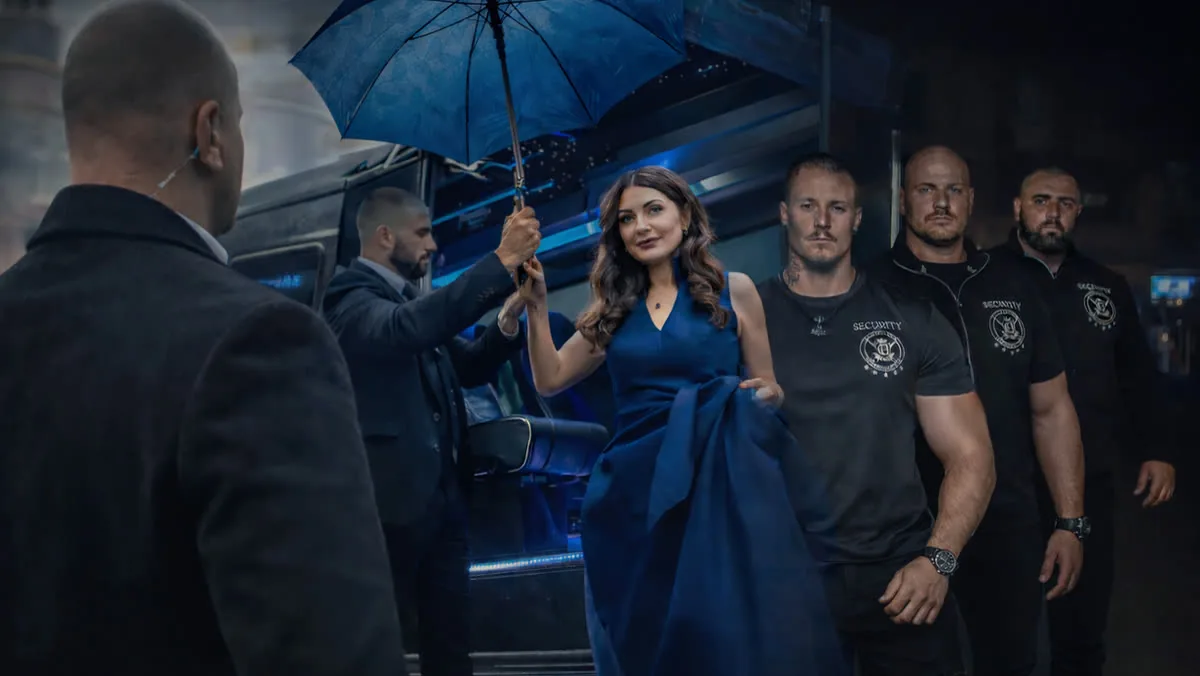
When I founded Bodyguard Group® in 2009, my idea was simple: to provide close protection that the people around a client wouldn't even notice. Over the years, what began as a Prague team has become a company working both at home and abroad. Here I look at what has changed, what has stayed the same and where I want to take the company next.
A late-night phone call
I don't discuss specific assignments or clients, but this is what an ordinary situation looks like. A client rings late in the evening because tomorrow's programme has changed. The destination is not the one planned, and the departure time is moving. In that short window, the route has to be replanned, the new location checked, the driver briefed, the parking and approach looked at, and it has to be clear who needs to know about the change. All the client hears is one sentence: fine, I'll take care of it.
That is the essence of the job. The client shouldn't have to worry about whether something can be done. They should know there is someone to turn to, and that the change is being dealt with straight away.
This is exactly what I felt the market was missing in 2009, when I founded Bodyguard Group®. Close protection was often seen then as the physical presence of someone strong beside the client. I wanted to build a service in which physical presence is the last link in the chain, and everything before it is preparation, information and a plan.
A company is the people who turn up, not its name
Even in the early years it was clear to me that the outcome is decided not by the name on the contract but by the person standing by the car in the morning. Clients don't notice a difference in marketing. They notice whether the protection officer knows the way to the back exit, knows how to behave in the client's circle, and can stay silent for half a day.
That's why I pick the team for character, not build. I look for people who stay calm when something goes wrong, who don't talk about their work outside work, and who notice details before they become problems. For me, discipline, discretion and reliability in small things are the foundation.
Training can't replace this, but it can develop it. So the people on my team regularly work through simulated scenarios, because under pressure you don't do what you've read, you do what you've drilled. And if someone doesn't share these values, I would rather turn down the assignment than send them to a client.
From protecting a person to protecting everything around them
Over the years I realised that protecting a person without protecting the environment they move in makes no sense. A client doesn't live only in the car and the boardroom. They go to events, stay in hotels, host corporate gatherings, and their family moves around independently. So I extended the service into further areas that build on one another.
Today I mainly cover these areas:
- Close Protection: protecting the client in person, based on discretion, route preparation and knowledge of their programme rather than a show of strength.
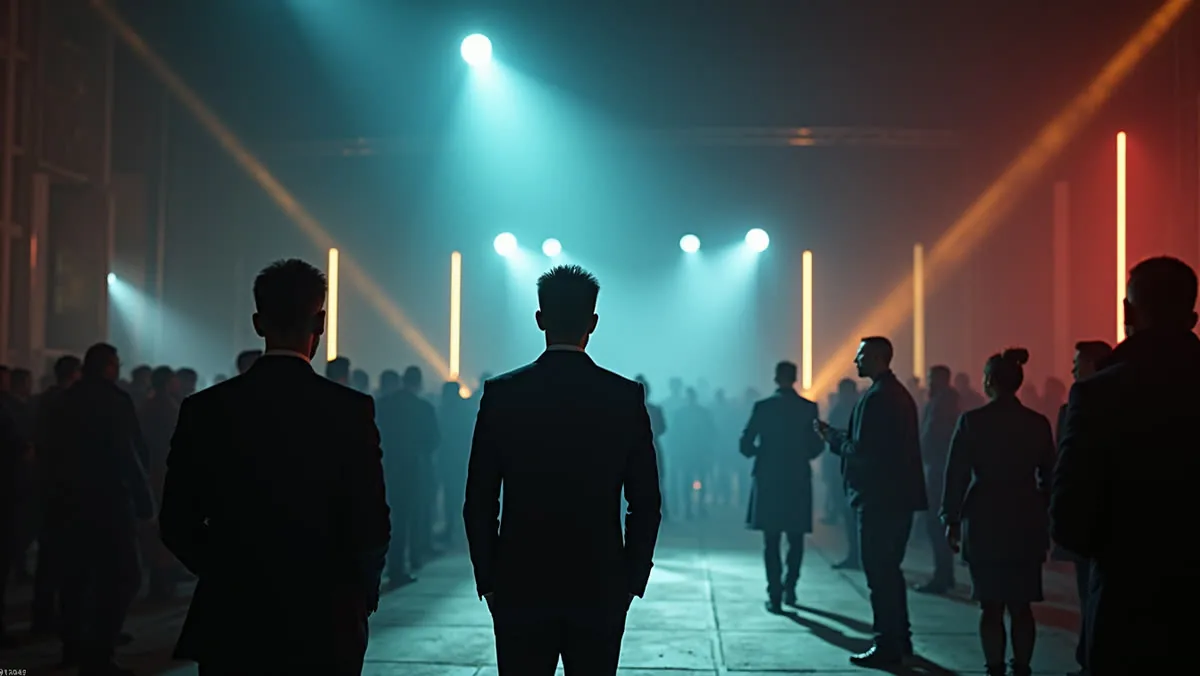
- Event security: from private corporate gatherings to public events, where entrances, the crowd and escape routes all have to be managed at once.
- Premises and hotel security: access procedures, perimeter control and cooperation with the operator's own reception or security staff.
- Family escorts and discreet arrangements: situations where protection has to stay as invisible as possible, typically around children and everyday routines.
Protection doesn't stop at the border
The clients I protect don't just move around Prague. They fly to meetings, own property abroad, travel with their families and host foreign partners. If protection only works at home and ends once they are abroad, it isn't protection. It's an escort to the airport.
That's why I began building relationships with partners abroad. It means having someone in the destination country who knows the local conditions, the language, transport and healthcare, and what is normal there and what isn't. Without local knowledge, you can produce a plan that looks good on paper and falls apart at the first junction.
In the same way, I receive foreign delegations here. A colleague from abroad needs a partner in Prague who can explain how things work locally, and that is exactly the role I play. To my mind, this reciprocity is the only sensible way to provide protection away from home without relying on improvisation.
Technology won't replace protection, but it will speed up decisions
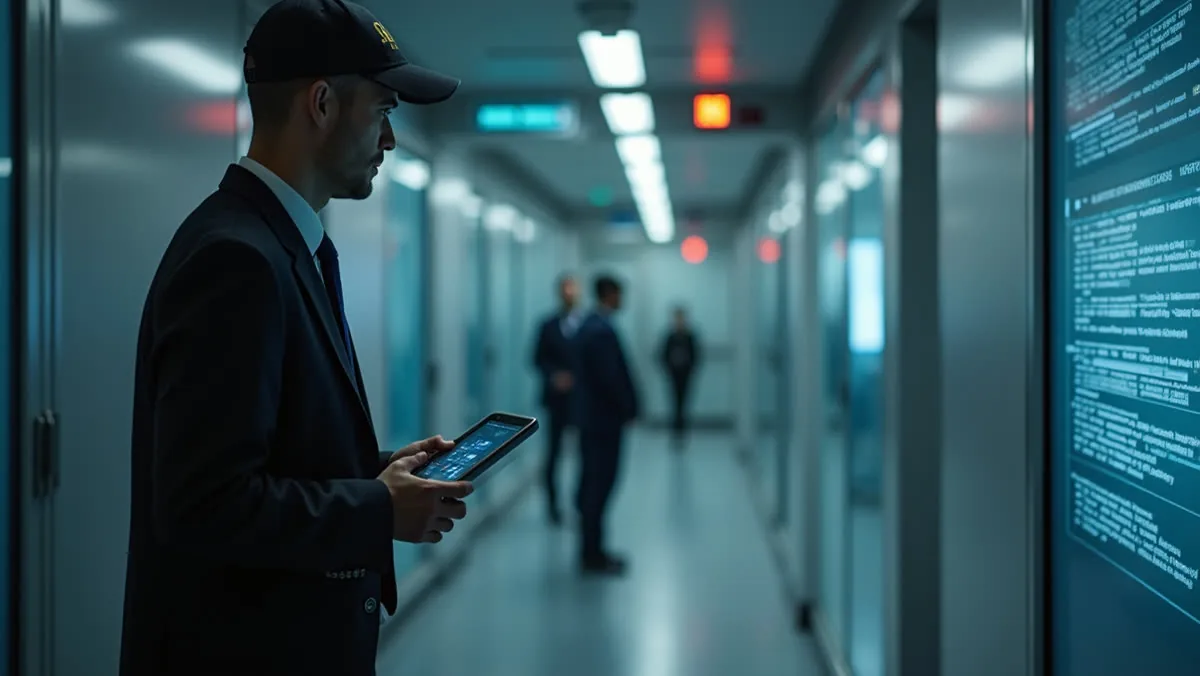
A great deal has changed over the years. Communications, route planning, location sharing within the team, CCTV, checking out a location before arrival: all of it is faster and more precise today than when I started.
At the same time, I'm wary of the idea that technology can do the job for you. A system will show you that something is happening. It won't decide for you whether to move the client or wait. That decision is always made by the person on the ground who can see the whole picture.
So I treat technology as a tool that shortens the time between information and response. I invest in it, test it and bring it in once it has proved itself in operation, not because it looks good in a proposal.
Where I want to take the company next
My vision isn't about headcount. It's about depth. I want every protection officer on my team to be able to make decisions independently in demanding situations, speak languages, read an environment and have training behind them that doesn't end with a certificate.
The second is a stable network of partners. Protection is a team discipline. Without reliable drivers, technicians, lawyers, medical support and partners abroad, you are left to handle everything alone, and sooner or later it shows. I'm building this network slowly and for the long term, because trust between partners can't be bought.
The third is clarity for the client. I want clients to know in advance what they will get, how things will proceed and who is responsible for what. Security isn't a dark art. It's a craft that can be described, planned and delivered discreetly.
Key takeaways
Since 2009, the technology, the range of services and the countries I work in have all changed. The essentials haven't: protection rests on preparation, people and discretion. A client shouldn't feel they are living under siege. They should be free to focus on their work and family while someone else takes care of the arrangements around them.
If you're considering protection for yourself, your family or your company, I'd suggest starting with a simple question: what does your normal routine look like, and where does it repeat? Risk often comes from predictability. The same time, the same route, the same door. You can write that overview yourself, and it's a sensible first step even before you approach anyone.
I'm happy to talk it through with you, with no obligation. We'll meet or speak by phone, go through your situation, and I'll tell you plainly whether you need protection at all, on what scale, and what makes sense to deal with first. If you then decide otherwise, that's fine. Either way, you'll have a clear picture of your situation.
“Protection isn't about strength or technology. It's about preparation that lets clients focus on their work instead of the logistics around them.”— Robert Václavík