When I design protection for a client, I don't start with uniforms or equipment. I start with how the client lives, works and travels, and where security has to stay discreet so that it doesn't intrude on their daily routine.
A premium service shows in its preparation, not in appearances
For wealthy families, senior executives or foreign delegations, security must never become another burden. The client needs a calm routine that fits into their day, protects their privacy and draws no more attention than necessary. That is the difference between simply having security staff around and protection that is genuinely managed.
Since I started out in this field, one thing has held true: clients don't remember grand words. They remember whether the team arrived prepared: whether it knew the route, the entrance, the garage, the guest protocol and the building's weak points, and how tight the timings were.
To me, a premium security service from Bodyguard Group® means precision, discretion and the ability to change the plan as reality changes. It isn't about showing strength. It's about recognising early when a situation is shifting.
A premium service also means keeping quiet about the work itself. The client doesn't need to hear how complicated security is. What they should get is the result: a smooth day, timely information and a team that never gets in the way.
Close protection starts with the client's rhythm
When I protect a VIP client, I first need to understand their day. Protecting a business owner who moves between the office, meetings and home is planned differently from protecting a family, where children, school, staff and visitors all become part of the routine.
Close protection doesn't mean a shadow at your shoulder. It means managing space, time and information. When the routine is right, the client knows the support is there without feeling hemmed in.
Foreign delegations add protocol, language coordination, hotels, garages, receptions and movements between venues that the team often learns about only at short notice. This is where preparation and the ability to work with local contacts really count.
- close protection for VIP clients
- family and privacy protection
- escorting foreign delegations
- secure transfers and discreet coordination

A building or event must still work for the people inside it
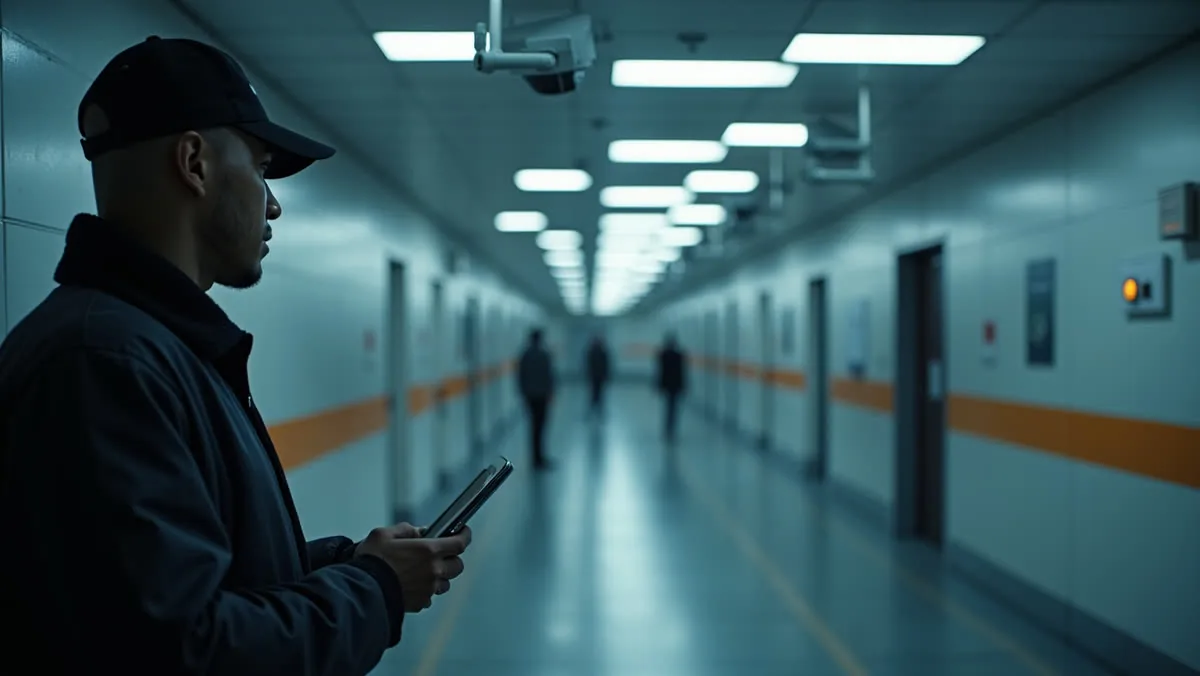
Protecting property and premises is more than checking doors. In an office building, a residence or a logistics site, I look at how people move, how the entrances link up, where the CCTV blind spots are, how visitors are handled and whether staff know who to let through.
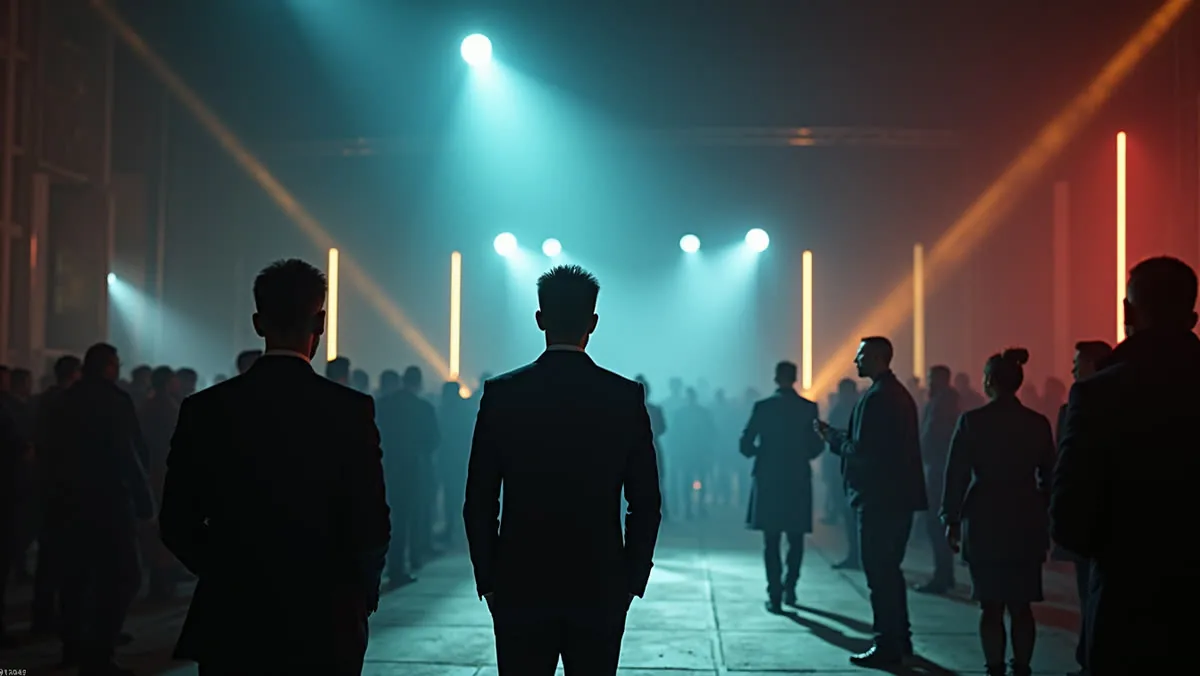
Corporate events carry a different risk. The venue is temporary, guests arrive in waves and the organiser is focused on the programme, not on security. The security team therefore has to work without disrupting the event while keeping entrances, backstage areas, VIP zones and crisis communication under control.
Guarding and monitoring only make sense when they lead to a decision. A camera on its own protects nobody. An operator who knows what they are watching, and what to pass on to whom, is what creates usable security value.
When protecting premises, I always ask what needs to stay open for normal operations. Security that blocks reception, slows guests down and wears staff out soon has people working around the rules. A good measure has to be usable every day.
I choose technology by risk, not from a catalogue
Modern technology is useful, but it should never drive the service. For every client I work out whether a specific measure genuinely helps or merely adds another screen, another alert and another false sense of control.
Sometimes the right answer is a better visitor procedure and clear responsibility at reception. Elsewhere it makes sense to add monitoring, access control or technical security, or to bring several posts under a single operational overview. What makes the difference is the analysis before anything is deployed.
To me, flexibility doesn't mean the team will do whatever is asked. It means designing measures that fit the client, the location, the programme and the real risk.
When designing measures, I also think about who will operate them day to day. Even a good system fails if staff leave it switched off because it is too complicated or holds up operations. A premium service has to be technically strong yet simple to run.
- risk and threat assessment
- choosing suitable measures and technology
- selecting and deploying the right team
- continuous review and adjustment of the plan
Trust is built in the details nobody sees
Discretion is not a line for a presentation slide. With clients I handle information about their family, travel, health, business meetings and private habits. None of it may be discussed outside the team, and none of it may end up in unsecured communications.
You can recognise a professional team because it never seems curious. It asks only what it needs to know for the protection, sticks to the agreed routine and leaves its ego at the door. Physical fitness matters, but it isn't enough on its own.
Working internationally means different environments, languages, local rules and partners. That's why I never apply one procedure everywhere unchanged. I always adapt it to the location and to what is practically achievable in that country.
Trust also comes from the team accepting the limits of the client's privacy. It doesn't ask questions out of curiosity, doesn't comment on their lifestyle and doesn't carry personal information beyond the assignment. For wealthy clients, that matters as much as physical fitness.
In short: security should give the client their space back
A premium security service should be precise, discreet and easy to understand. The client should never have to bear the team's chaos or the complexity of its measures. They should simply know that someone is watching for risks, preparing alternatives and ready to step in when needed.
If you are considering protection for a person, a family, a property or an event, I would start with a straightforward consultation about your situation. No pressure and no off-the-shelf package: the aim is to identify what is worth protecting and how to do it proportionately.
“Good protection doesn't take over a client's life. It quietly gives them back room to make their own decisions.”— Robert Václavík