I've worked in personal protection for many years, and in that time I've learned that most of the work is done before I first meet the client. Here is how my personal protection services actually run: from the first phone call, through the planning, to the assignment itself.
I do the hardest part of the job before I ever meet anyone
A typical enquiry doesn't begin with drama. It begins with an important date in someone's diary and a situation around it that they don't want to take lightly, but would rather not handle alone. Usually they don't want “security”. They want the day to go the way they planned it.
That is the situation that most often prompts people to call me. Not fear of some scene from a film, but the fact that something has landed in a well-planned week and they aren't sure how to deal with it.
Before I set off anywhere, I go through the whole programme with the client. I drive the routes at the times they will actually be used, look at the garage entrances, find out how to leave the building other than by the main entrance, and agree arrangements with the venue's own security. The protection itself is then usually the easier part.
I've been protecting people long enough to know that protection done well doesn't look dramatic. It looks like a day that went to plan.
Protection is a prepared plan, not just a presence
Personal protection services are not about having someone stand next to you. If presence alone were enough, anyone tall enough would do. What makes the difference is what lies behind it: a risk assessment, a plan and people who know how to carry it out.
I always break it down into three questions. What could realistically happen? What will I do about it in advance? And what will I do the moment it happens? The answer to the first is different every time. The risk looks one way for a business owner in a dispute with a former partner, another for a family whose children walk the same route to school every day, and another again for a foreign delegation that knows nothing about Prague.
Those answers then become a practical plan. Alternative routes in case of road closures or traffic jams. A safe haven to fall back to if needed. The nearest hospital on the route. A contact for whoever holds the keys on site. Who on the team does the talking if there's a misunderstanding, and who gets the client out at that moment.
When something really happens, there's no time to work anything out. There's only time to carry out what was worked out long before. That's why so much of my work happens in a phase the client usually never sees.

Discretion is a matter of function, not style
Hardly any client wants to be seen with security. Some worry that a business partner will draw conclusions that aren't true. Others are thinking of colleagues at work. Some simply don't want to give up a normal evening.
But keeping a low profile isn't only about your comfort. It is also the better tactic. Visible protection draws attention and, in itself, signals that the person being protected is someone of interest. Unobtrusive protection doesn't broadcast that message at all.
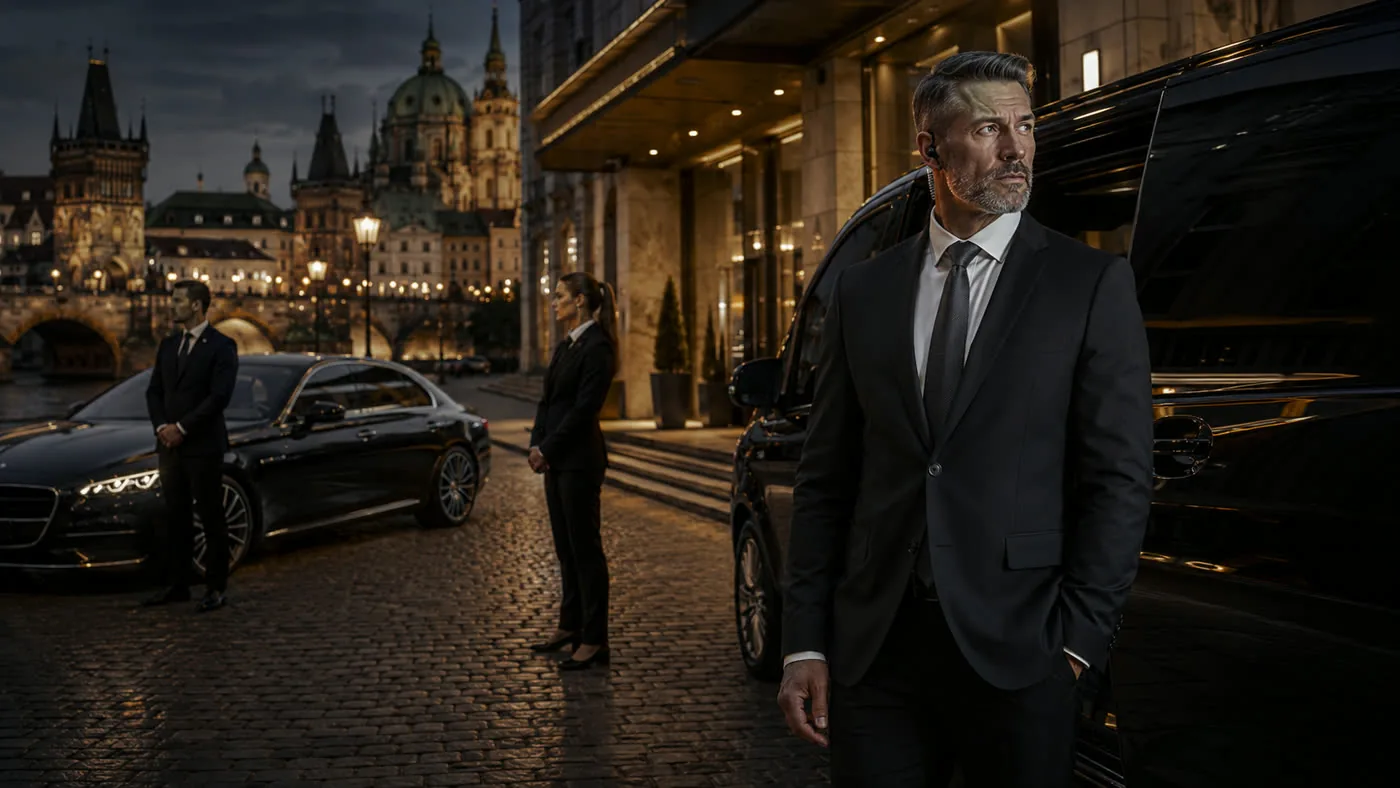
In practice, this comes down to specific things: clothing that suits the setting, a sensible distance, one clearly designated person who answers if anyone asks, and the ability to get through an entire evening without anyone noticing you. That last one, incidentally, is harder than all the rest.
I count it as a good result when the client's guests don't notice that anyone was there at all.
Where clients most often need protection
In practice, enquiries tend to fall into a few recurring situations. These aren't separate products. They often overlap, and one leads into the next within a single assignment.
With the last of these, our work together sometimes ends right there. The client gets what they needed and doesn't need anyone at their side. I see that as a good result, not a lost assignment.
- Protecting high-profile individuals at public and private events, where the job is to be ready without being seen.
- Corporate event security for conferences, gala dinners and anniversary celebrations. This covers access control at the entrances, the movement of guests, the areas beyond the main hall, and heading off problems before they develop.
- Escorts and transfers, from short journeys around Prague to trips abroad lasting several days, including airport pick-ups and coordination with local partners.
- Security consultancy for clients who don't yet want or need physical protection. I'll go through the risks, your daily routine and the security of your property with you, and suggest measures you can maintain yourselves.
How working with me begins
The first call is usually short and carries no obligation. I don't need to hear details you'd rather not share with a stranger over the phone. I need to know what kind of situation it is, when it takes place and what the outcome should be.
Then comes the usual process:
The last point matters more than it might seem. Programmes change, a meeting overruns, the client decides to make an extra stop. Protection that can't absorb that becomes a burden, and sooner or later you'll get rid of it.
- I assess the risks and review the programme, the setting and the people in it.
- I propose specific measures and the scale of cover. Sometimes that's one person, sometimes a team with a vehicle and a lead car.
- I choose the individuals to suit the client: language, experience of that particular setting and, for families with children, whether the team should include a woman.
- Where needed, I coordinate with others: the venue's own security, the event organiser, the hotel or, for public events, the relevant authorities.
- Throughout the assignment I stay in regular contact and adjust the measures as things actually unfold.
Why I put the team together myself
This is a craft in which people decide the outcome, not equipment. That's why I personally vet everyone who works with a client, and I know them from live operations, not just from their paperwork.
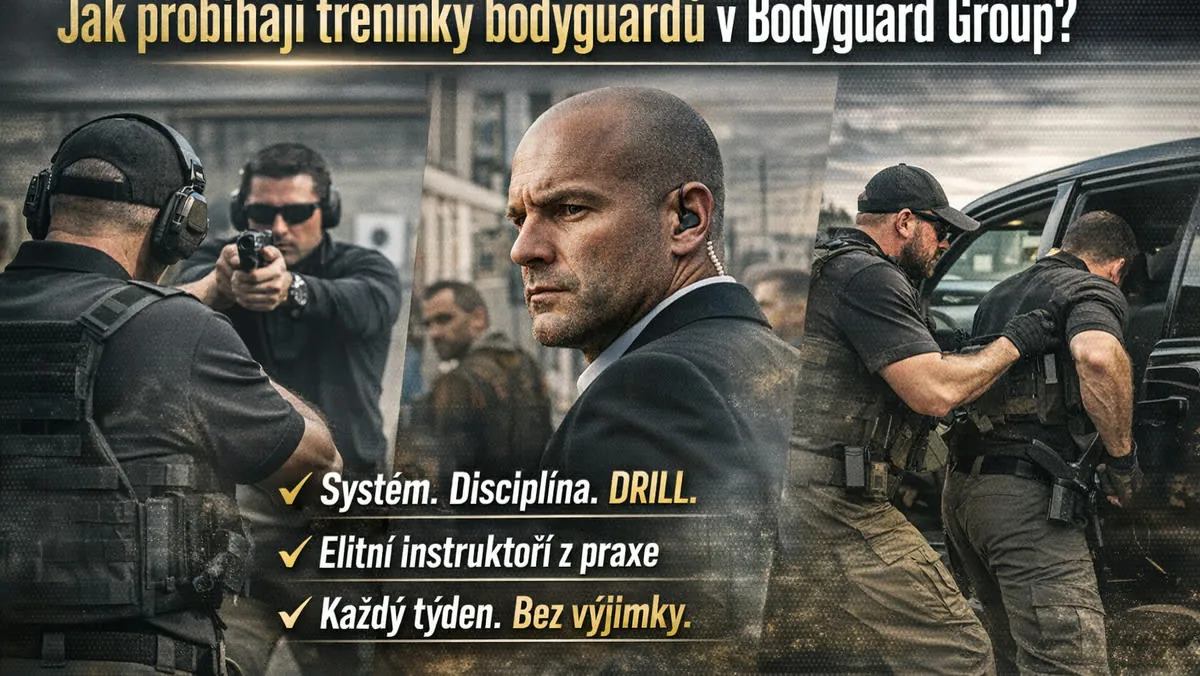
Physical fitness and tactical training are the foundation, and I keep them up continuously, not through a one-off course. Day to day, though, something else makes the difference: reading a situation before it escalates, talking to people so that a problem doesn't grow, and staying in the background without needing to be seen. Technique can be learnt. Composure and good manners are far harder to learn.
Looking ahead, I expect technology to play a bigger part in this work: route planning, team communications, situational awareness on the ground. But the weight will stay with people. No system replaces an experienced person who can read a situation there and then.
Key takeaways
Personal protection isn't about strength or show. It's about reducing the chance that something happens, and having a procedure ready in case it happens anyway. Nobody can honestly promise you absolute safety. What can be promised is honest preparation, a specific plan and discreet execution, by people who can both plan and deliver.
If you're dealing with a specific situation (a one-off event, a trip, longer-term protection for your family) or you simply aren't sure it needs addressing at all, get in touch. A short call is enough for me to tell you whether it calls for protection, or whether a few simple measures you can maintain yourselves will do. The consultation carries no obligation, and I treat everything you tell me in it as confidential.
“Protection done well doesn't look dramatic. It looks like a day that went to plan.”— Robert Václavík