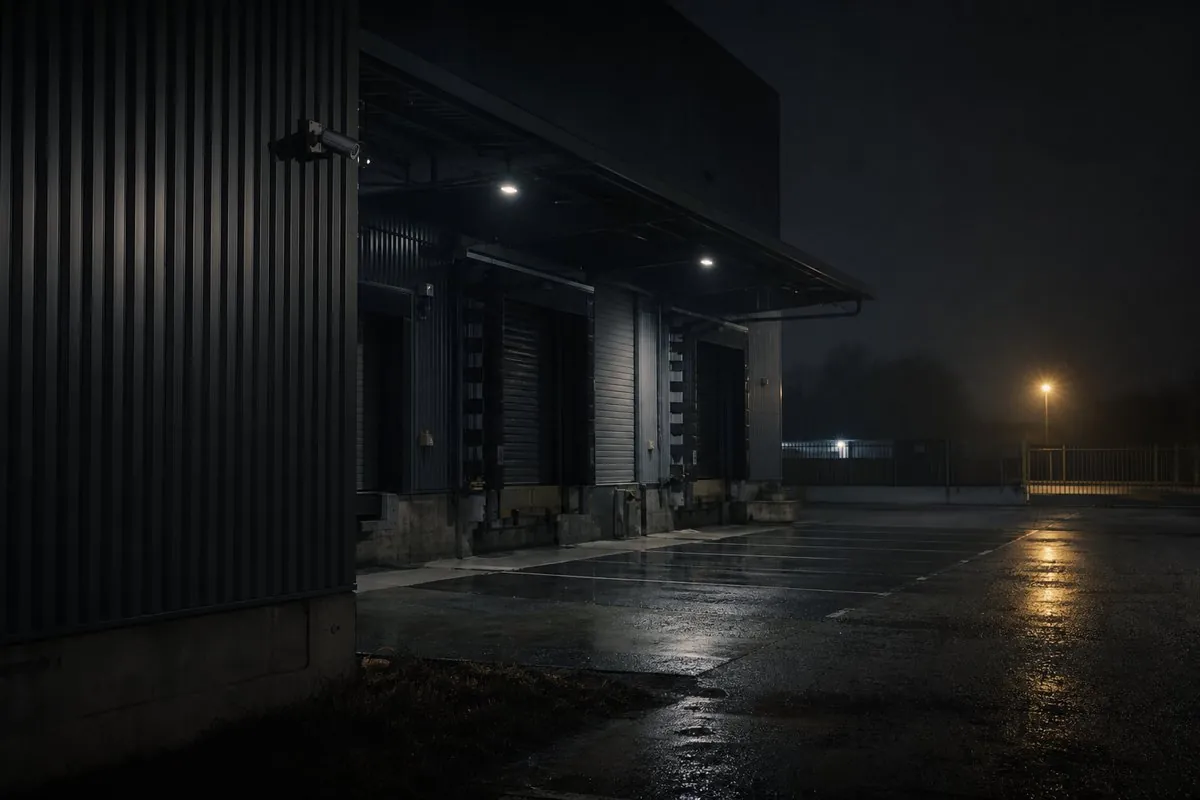
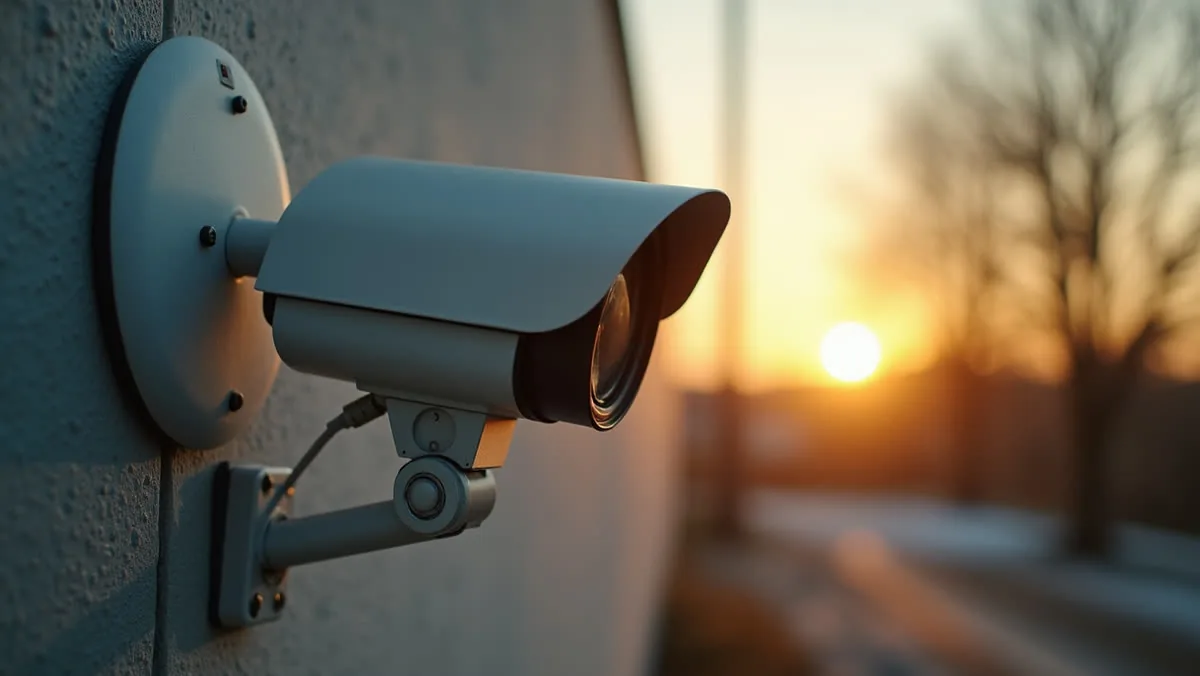
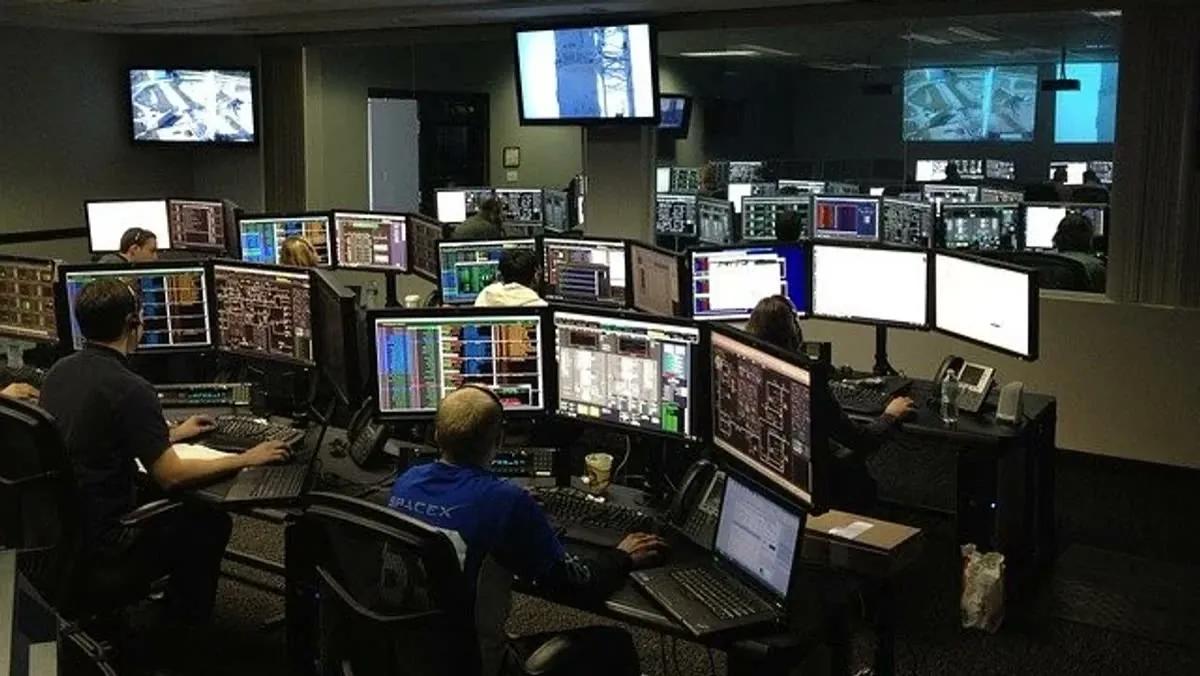
Over the years I've seen plenty of sites with good-quality cameras that nobody was watching. Here I explain how to link a CCTV system with manned guarding so that it becomes a working security measure, not just an archive of footage. I'm writing as someone who sets up protection for people and premises in practice, not as someone selling equipment.
The cameras see everything, but nobody is watching
When I take over a new site, there's one question I ask almost every time: who is actually watching those cameras? The equipment is usually fine: new, with night vision, covering the perimeter and the vehicle entrance. But the answer is often that nobody looks at the footage until something has already happened.
That is the moment a CCTV system stops being protection and becomes documentation. The difference is fundamental. Protection means an incident can be prevented or cut short. Documentation means you have a good, clear picture of how someone robbed you.
I'm not saying cameras are pointless. Quite the opposite. It's just that on their own they solve nothing. The solution comes only when the picture is paired with someone who can act on it.
The camera sees, a person decides
A well-designed system works as a division of roles. CCTV does what a person can't: it watches every location at once, without tiring, all night. It detects movement where there shouldn't be any, entry into a zone that should be empty, or behaviour that departs from normal activity.
Security officers do what technology can't. They assess context. They know the difference between an employee taking a shortcut across the loading bay and someone walking round that same loading bay looking for a weak point. Above all, they can intervene, either physically on site or through a control room that directs a patrol, contacts the police and informs the client.
That is the core of the whole integration. The system alerts, a person assesses, a person acts. If one of those three steps is missing, the whole chain breaks and all you have left is footage.
Footage still has value afterwards, of course. It is evidence for the police, for your insurer and for your own review of what happened and why. But that's the second line of defence, not the first.
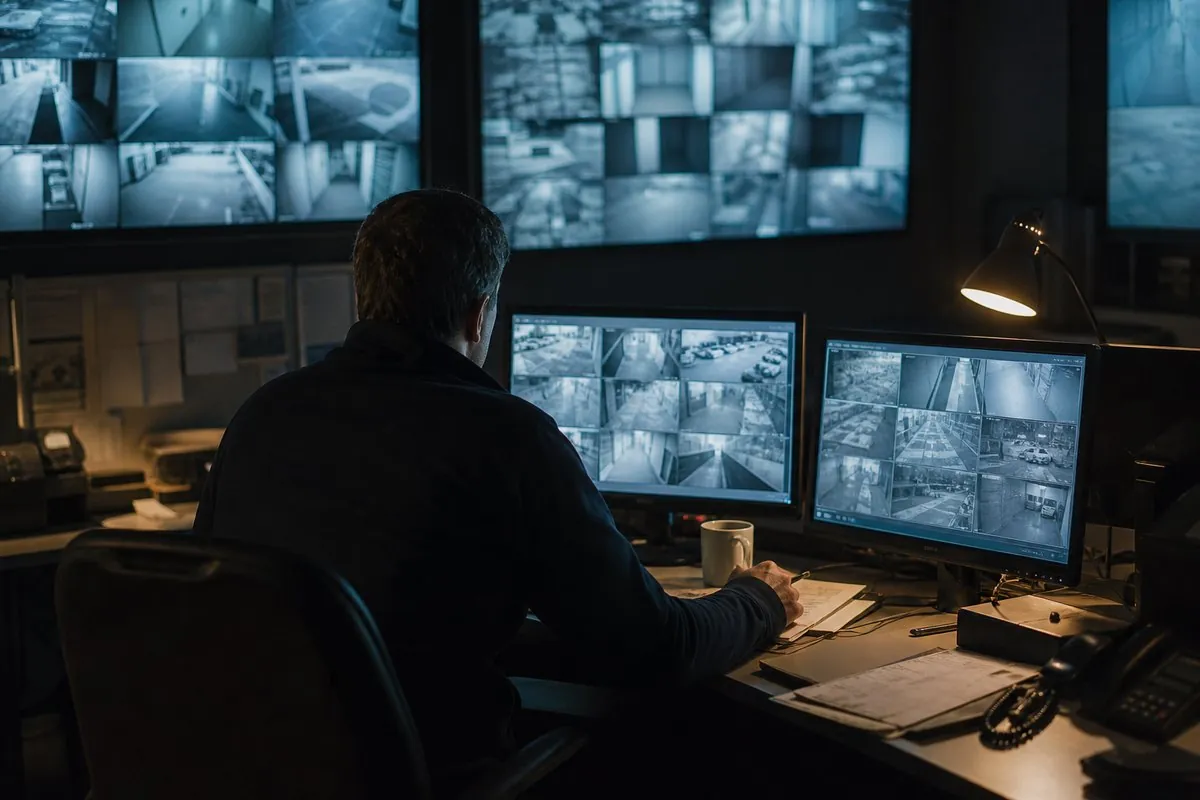
How to choose a system that actually helps your security team
When a client asks me about choosing cameras, I never start with the brand. I start with what the system needs to let the operator do. The specification follows from that.
In practice, these are the points that decide whether a system will be usable or merely expensive:
- Resolution and image quality: higher resolution can make it possible to identify a person or read a number plate. But it also uses more storage, so you have to trade detail against how long footage can be kept.
- Camera placement: this decides everything. Entrances, driveways, car parks, the perimeter, blind spots between buildings. Badly aimed cameras are worse than fewer cameras aimed correctly.
- Night vision and weather resistance: for outdoor cameras this isn't an optional extra but a requirement. A significant share of the incidents I've dealt with happened at night or in poor visibility.
- Remote access: being able to view the feed from a control room or a mobile phone is what turns cameras into a live tool rather than a passive archive.
- Integration with alarms and motion sensors: the system can then respond on its own, for example by switching on lights or sounding a siren, while alerting the operator at the same time.
- Legal compliance: a CCTV system must comply with GDPR, especially where the cameras capture public space or neighbouring property.
Footage is evidence, but also a responsibility
I deliberately put the legal side on the same footing as the technology, because in my experience it's the aspect most often underestimated. By operating a CCTV system, you become a data controller, with everything that entails: the duty to inform, a defined purpose, a set retention period for the footage and controlled access to it.
In practice that means clearly defining who can access the footage, how copies are made and who they are handed to. For clients where I combine close protection with monitoring of the premises, I settle this even before deciding where the cameras go. A badly set-up recording regime can cause you problems comparable to the very incident you bought the cameras for.
The second issue is cameras that capture public space or the neighbours' property. They need to be set up to cover your premises and their immediate surroundings, not the pavement or someone else's garden. Privacy masking within the image usually solves this.
What decides whether the integration is usable
The number of cameras, their resolution and the retention period set the system's technical requirements. On their own, though, they say nothing about whether someone will assess the picture in time and follow it up with the agreed response.
If the CCTV system is supplied by the client's own technology partner, the monitored zones, alarm handover, access to footage and responsibility for intervention must be agreed with the security team in advance. A site that operates overnight needs a different regime from one that closes for the weekend.
The questions I get asked most often
Will cameras replace manned guarding? No. They can reduce the number of people you need on site, because one person can cover a larger area. But you still need someone who can intervene.
Is it enough for reception to watch the cameras? At some sites, yes. At others it's an illusion of security. A receptionist has their own job to do and can't assess the picture at the same time. If monitoring is to be reliable, it has to be someone's main task.
Does it make sense to combine cameras with close protection? For families and business owners, yes. Monitoring of the residence and close protection then work as one: I know what's happening at the house even when the client is elsewhere, and vice versa.
When should the system be reconfigured? After a change in how the site operates, after building work and after every incident. Blind spots often don't exist at installation; they develop gradually as the site changes.
Key takeaways
A CCTV system is a tool, not a security measure in itself. On its own it stops nobody, removes nobody from the property and calls nobody for help. It does one thing reliably: it sees. Everything else has to be done by a person.
So if you're considering cameras, I'd suggest reversing the order in which people usually think about them. First decide who will respond to the picture, and how quickly. Only then choose the number of cameras, the resolution, the retention period and the link to a control room. A system designed backwards from the response tends to be cheaper and more effective than one designed forwards from the technology.
The second thing I'd stress: sort out the legal side of recording before the first camera goes up on the wall. It costs less, and it saves you complications later.
If you're not sure your existing system still makes sense, or you're thinking about combining site monitoring with close protection, I'd be glad to go through it with you. The consultation is confidential and without obligation. We'll walk the site, starting with the equipment you already have, and work out where it's worth adding something and where it isn't. And if your current set-up turns out to be good enough, I'll tell you that too.
“A camera stops no one. What stops them is a person who is watching at that moment and knows what to do.”— Robert Václavík