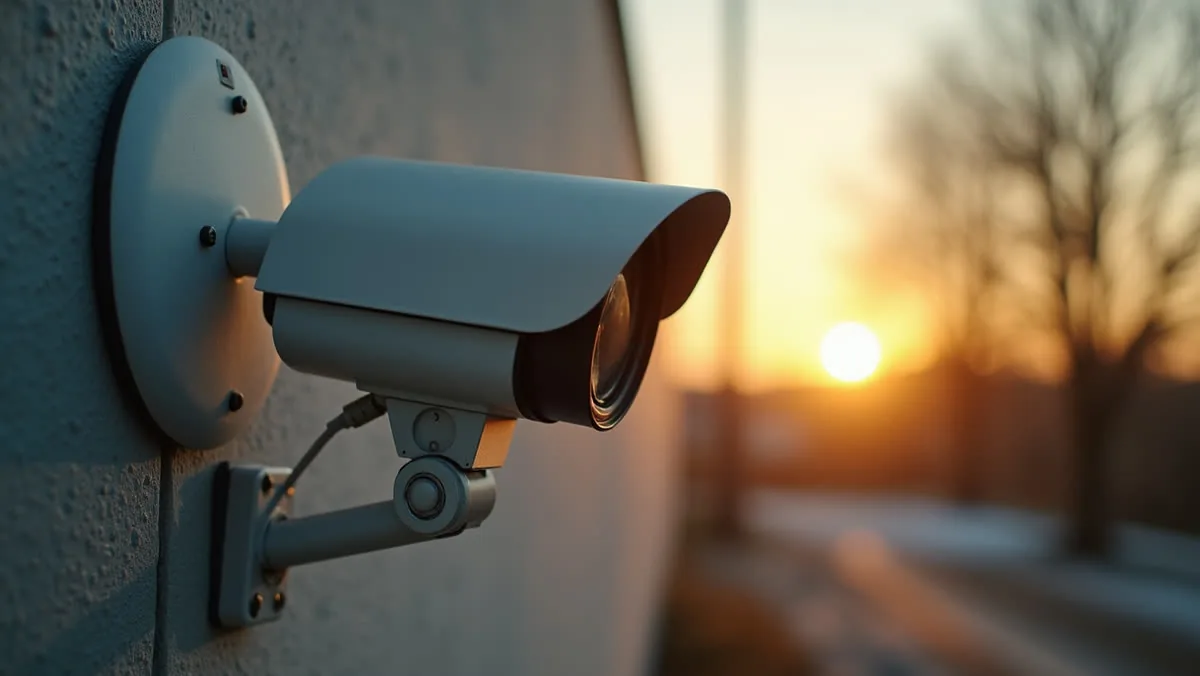
When I am securing premises or people, a camera on its own is not a solution. The value comes from the person and the process that can assess a signal, pass it on and turn it into a specific response.
A SOC isn't a room full of screens
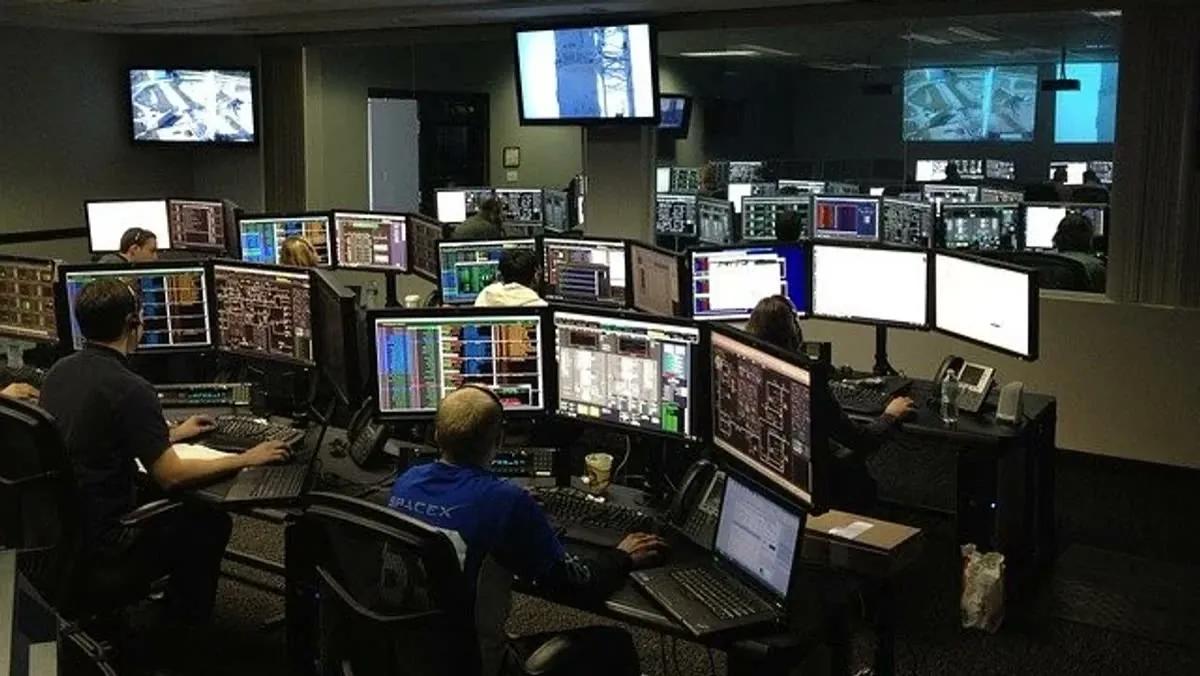
Many people picture a security operations centre as a dark room with dozens of monitors. It may look like that, but the substance lies elsewhere. A SOC exists to gather information, assess risks, recognise incidents and coordinate what happens next.
In civilian security, technology is only part of it. The point is that CCTV, access control, alarms, reports from security officers and information from the client all end up in one place, where someone understands how they fit together.
Without assessment, even a good system just makes noise. It sends alerts, but nobody knows which ones matter. A SOC earns its place when it separates routine activity from events that need a response.
When I design monitoring, I always ask who will take the decision once a problem is spotted. If the system flags an event and nobody has the authority to act, the technology is simply passing responsibility into a void.
- assessing risks
- recognising an incident in time
- coordinating the response
- directing the next steps of the security teams
The global model is heavyweight; civilian practice has to be lean
Around the world, SOCs serve airports, critical infrastructure, large corporations and state institutions. There they work with extensive systems, large volumes of data and precisely defined escalation procedures.
In the Czech civilian context, things tend to look different. A site usually has less data, a smaller team and often a tighter budget for round-the-clock monitoring. That does not mean the SOC principle makes no sense. It means it has to be designed proportionately.
Less data can be an advantage if it is the right data. I would rather have a few good inputs with a clear procedure than many systems that nobody can link together when it matters.
- airports
- critical infrastructure
- large corporations
- state institutions
The Czech context needs realism, not shortcuts
In practice, I often see sites where the technology is in place but the process is missing. A camera records something, reception is unsure what to do, the security officers wait for instructions and management hears about the incident too late. That is not a camera problem. It is an organisational one.
In civilian security, a SOC should bring together the monitoring of corporate and office premises, logistics sites and residential complexes with the protection of people and events. It does not always have to be a large centre. Sometimes a well-organised operations desk is enough.
What matters is that no situation is handled in isolation. If an operator sees suspicious movement near a site, they need to know whether it is a visitor, a supplier, a known issue or an event that must be passed to the team on the ground.
In a residential setting, residents' privacy must be protected too. A SOC should not be a prying eye but a security process with a clearly defined purpose, defined access to recordings and rules on when information is passed on.
- monitoring corporate and office premises
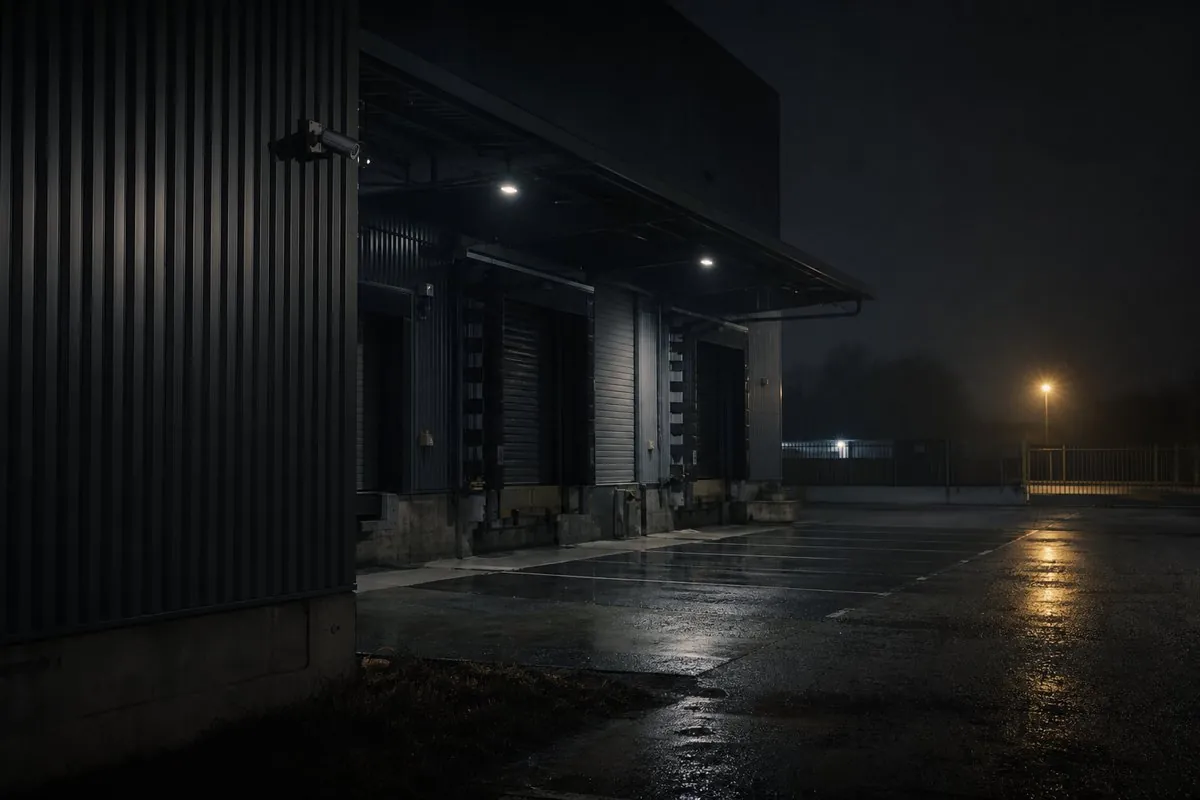
- logistics sites
- residential complexes
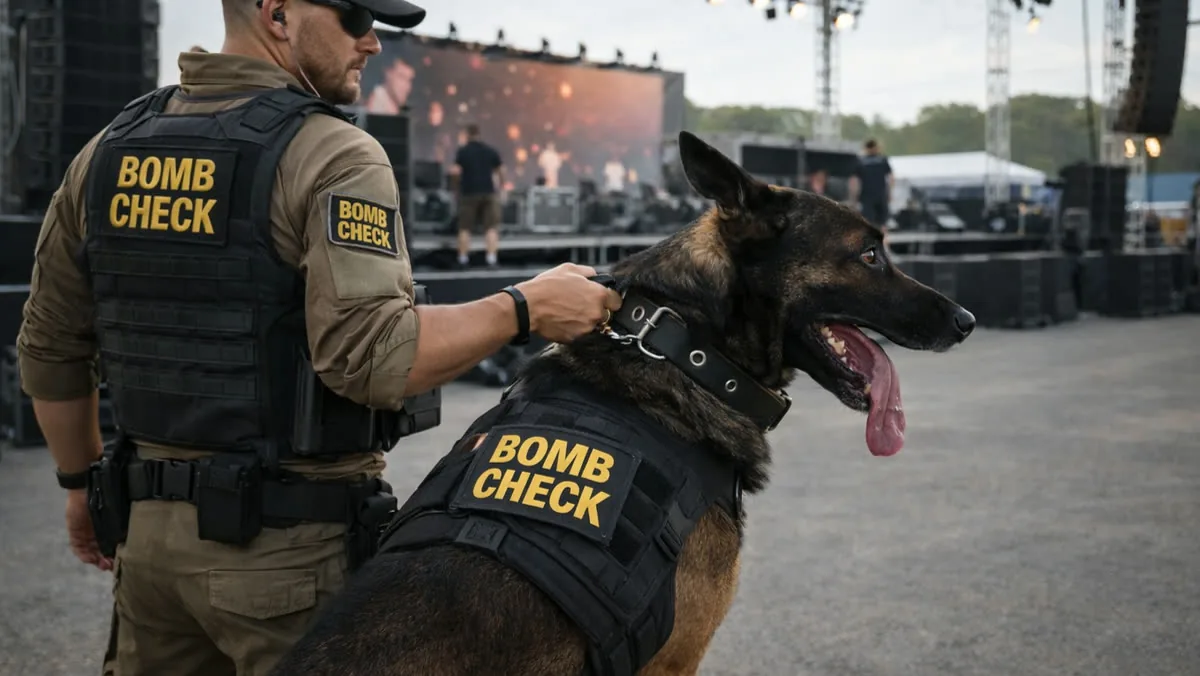
- protecting people and events
An incident needs a clear path from signal to decision
The typical procedure is simple only on paper: the system records a suspicious event, the SOC operator assesses it and hands over the next step. In practice, everything depends on the detail: exactly what the operator sees, who they call and how quickly they get confirmation from the scene.
An operator should not merely forward alarms. They must be able to tell a technical fault from routine activity and from risky behaviour. For that they need a site plan, contacts, the authority to act and clear limits on what they can decide.
When a SOC works well, the team on the ground does not receive a vague message. It receives specific information: where the event is happening, what can be seen, what the recommended course of action is and who has been informed.
Documenting the event is part of the procedure too. Not to fill archive folders, but so that it is possible afterwards to establish what the system captured, who decided what and whether the response matched the agreed procedure. Without that, mistakes repeat themselves.
- the system records a suspicious event
- the SOC operator assesses the situation
- the team receives a specific instruction
- the incident is documented for later review
Prevention is worth more than reacting after the damage is done
A SOC is not only useful during an incident. Its real strength is prevention: it notices recurring weaknesses, keeps an eye on access arrangements, exposes unclear responsibilities and helps adjust procedures before a more serious problem arises.
Its advantage over isolated solutions is that it sees the connections. A standalone camera, a standalone alarm and standalone guarding can each work on their own, but during an incident they have to come together in a single decision. A SOC builds that link in advance.
A SOC makes real sense wherever there is something to assess and someone to act on it. If an organisation is not willing to set up the process, the centre alone will not save it. If it does adopt the process, even a lean solution can give it a much clearer overview.
Regular review of false alarms also helps prevention. When there are too many, people start to ignore the system. The goal is not more reports but more accurate recognition of what really needs attention.
In short: a SOC should be a practical tool, not a fashionable label
In civilian security, a security operations centre makes sense when it connects technology, people and decision-making. What counts is not the number of monitors but the ability to recognise an event in time, assess it correctly and hand over a clear task.
If you are looking at monitoring for a building, a residence, a complex or a security operation, we can review with you, without obligation, whether a SOC set-up makes sense in your situation. Sometimes adjusting the process is enough. At other times it is worth bringing several systems under a single command.
“A SOC only becomes valuable when an image, an alarm or a report turns into the right decision.”— Robert Václavík