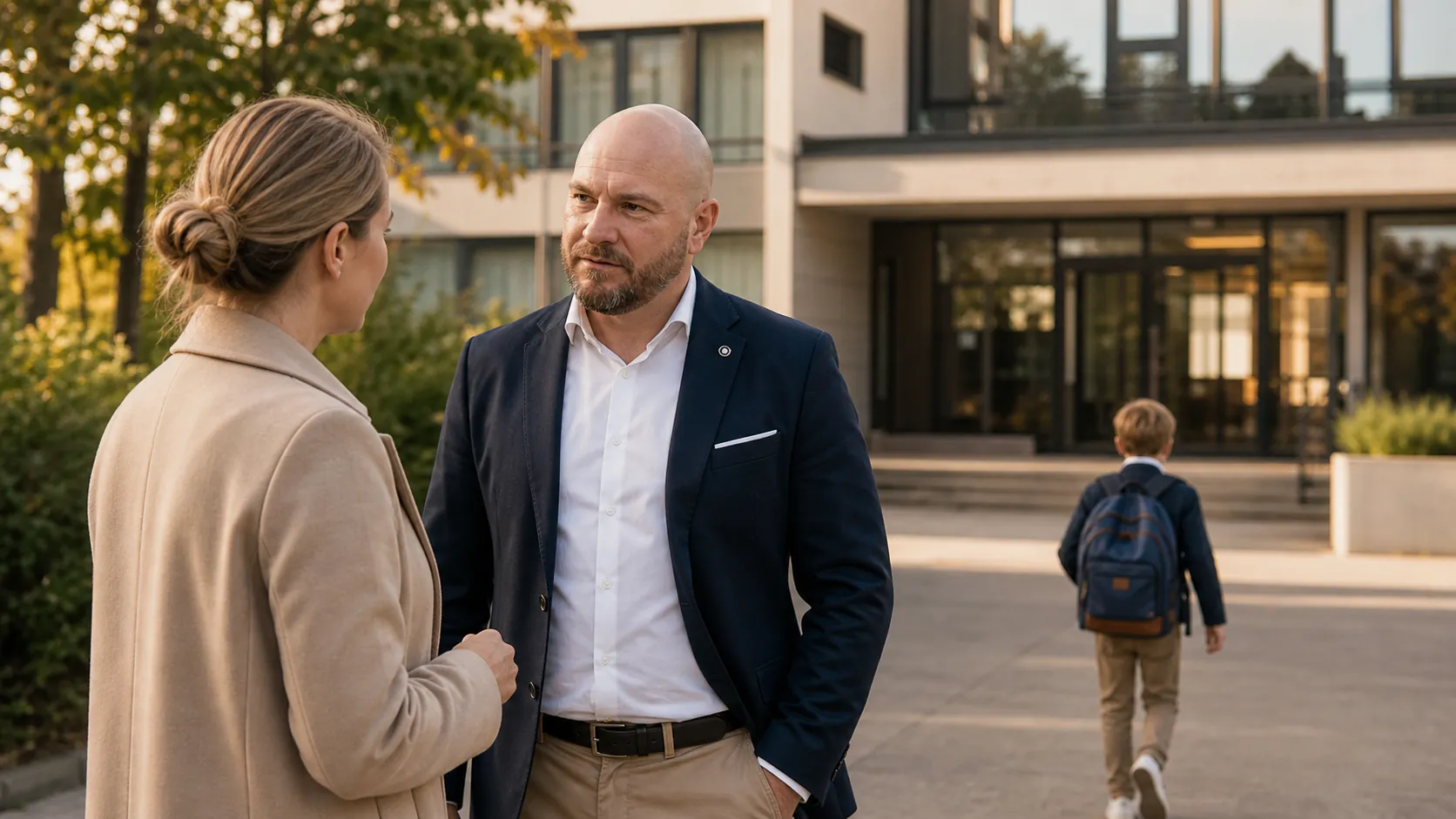
Repeated messages, threats, someone turning up unexpectedly near your home or the publication of private information should all be taken seriously. The aim is not to give in to panic but to safely gain time, evidence and control over the next steps.
In immediate danger, the first step is simple
If you are in immediate danger, call 158 (police) or 112 in the Czech Republic and move to a safe place. Do not wait for another message, and do not try to resolve the situation by confronting the person yourself.
- tell someone you trust
- choose a safe way to travel and communicate
- call the emergency services if the risk is acute
Preserve the evidence, not the argument
Save messages, emails, voice messages, links and screenshots, and keep a brief timeline of events. Note the date, time and place, and any witnesses. Do not edit or delete anything just because the content is upsetting.
- one continuous timeline
- a backup of the evidence away from your everyday phone
- no public arguments and no publishing of the other person's details
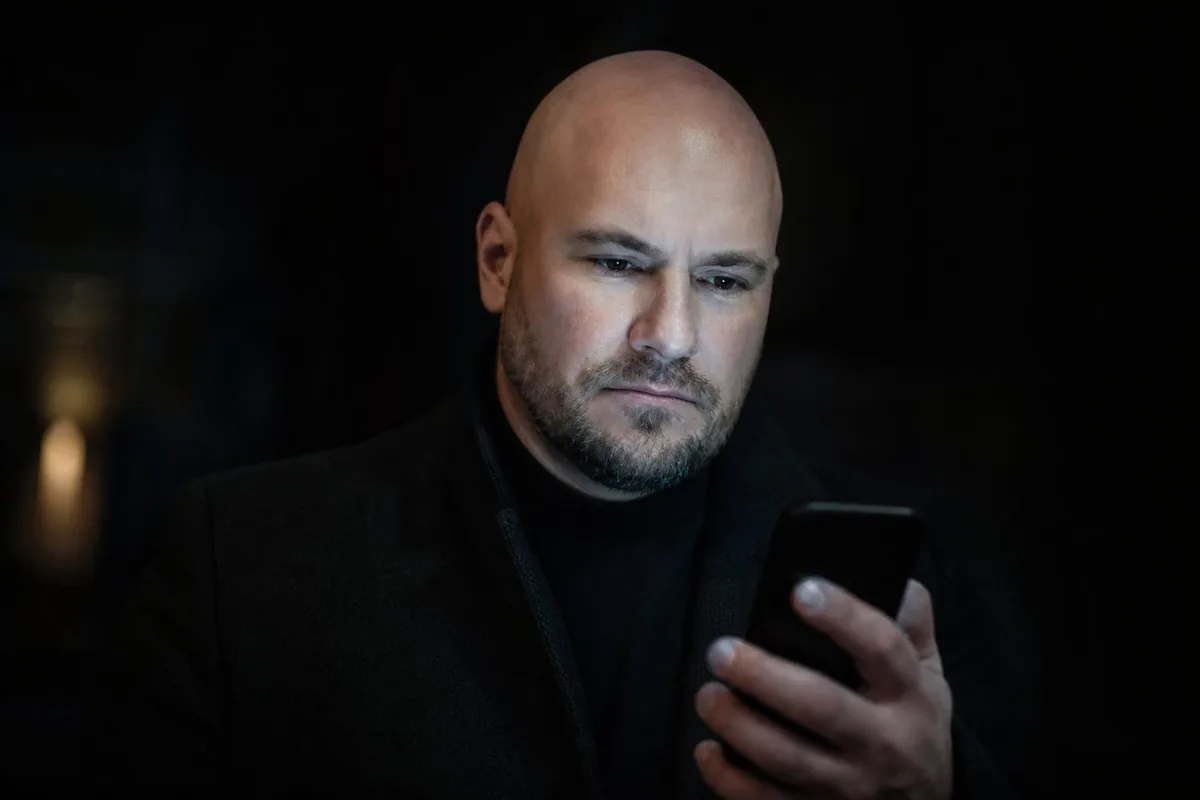
Doxxing: limit further spread
First, document the published content and its URL. Then use the platform's reporting tools and check what is publicly visible: profiles, contact details, calendars, photographs of children and location sharing.
The first 24 hours: stabilise the situation
Start by separating what is urgent from what is unpleasant but can wait. Tell at least one person you trust where you are and how to reach you. If you change a route or a meeting place, share the change only with people who genuinely need to know.
Do not try to sort out every account, relationship and technical setting in a single night. Make a safe copy of the evidence away from your everyday phone, secure access to your main email account and set up a simple routine for incoming messages. One calmly kept timeline is usually more useful than dozens of scattered notes.

Your digital footprint: where further exposure can come from
Doxxing often does not start with one big leak. It can build up from pieces that are put together: public profiles, old adverts, name lists, photos with location data, comments or open calendars. In particular, check what can be found under your name, phone number, email address and usernames.
For sensitive accounts, change passwords from a trusted device, turn on multi-factor authentication and review active sessions, recovery email addresses and connected apps. Do not remove published content before you have documented it; then ask the service concerned to take it down and keep a record of its replies.
Family, colleagues and the people around you
In stalking cases, information is sometimes gathered through the people around you. Family, reception staff, the school, neighbours or selected colleagues only need a short, factual instruction: who not to share information with, who not to confirm anything to, and who to call if someone makes unexpected contact. There is no need to share the whole story.
Consider small practical changes too: do not announce future travel publicly, avoid real-time location tags, do not pass your schedule through people outside your circle of trust and do not leave access details in shared inboxes. The aim is not isolation but less predictability and clear responsibility.

When to involve the police, the platform or legal help
If there is a direct threat, violence, someone watching or following you in a threatening way, or fear for your immediate safety, do not wait until your evidence file is complete: call the emergency services. At a less acute stage, prepare a factual summary: who, what, when, where, through which channel, what evidence there is and whether there are any witnesses.
Platforms can deal with harmful content and accounts, but their processes are no substitute for protection or for a formal report. A lawyer can clarify the right course of action in your country. If the matter involves more than one country or several platforms, keep a single versioned folder of material so that the context is not lost.
When professional protective arrangements make sense
If the contact keeps recurring, specific threats appear, your family is affected or your daily routine is easy to predict, an independent assessment of the situation can help. It does not replace the police; it helps to reduce exposure and to put workable arrangements in place for home, travel and communication.

A plan for the next three days
In the first few days, you are not looking for a perfect solution; you are reducing confusion. Divide the steps into safety, evidence, digital accounts and communication. For each step, decide who will do it, when, and where the result will be kept. A simple plan like this stops important things getting lost among dozens of messages and phone calls.
Choose one contact person and one secure channel for changes to the plan. If your working hours, your route home or a meeting place changes, share that only with the people directly affected. Keep a running note of what has been confirmed, what is only an assumption and what still needs checking.
Home, work and travel without unnecessary restrictions
There is no need to put ordinary life on hold. It does make sense, though, to reduce predictability where risk arises: do not publish future plans, do not leave a visitors' book or schedule openly accessible, and agree with reception or colleagues how to respond to an unexpected enquiry. A factual instruction is enough; there is no need for dramatic explanations.
When travelling, choose a verified pick-up or drop-off point, make sure someone knows when you are expected to arrive and decide in advance what you will do if you feel unsafe. Any change of route should be proportionate to the actual situation; the aim is not to live on edge but to have a calm alternative ready.

Keeping communication under control
A public argument, a counter-attack or publishing the other person's details usually increases the risk and can complicate what comes next. If a boundary has already been stated clearly, keep its exact wording and do not reopen communication just to have the last word. Save every new contact first and add it to the timeline.
If you are worried that an account could be misused or that someone could impersonate you, restore your access from a trusted device, check your recovery details and active sessions, and let close contacts know that they should verify any unusual message through another channel. This is not spreading panic; it leaves less room for manipulation.

Protective arrangements without unnecessary display
Professional protective arrangements make sense when a concern needs to be turned into practical steps for home, travel, work meetings and communication. They start with a discreet assessment of the facts, not an ostentatious intervention. They can establish what to change now, what to monitor and what to leave to the public authorities.
Well-designed arrangements should still work for the client a week later: clear points of contact, an agreed escalation route, proportionate information sharing and regular updates as new facts emerge. They do not replace the police or legal help; they cover the practical side of safety alongside them.
Frequently asked questions
Should I reply to the last message?
If a reply would raise the tension or simply repeat a boundary you have already stated, it is usually safer not to reopen communication. There is no universal rule for every case; what matters is to keep the message, let the immediate level of risk guide you and contact the emergency services if you are in direct danger.
Is a screenshot enough evidence?
A screenshot is a useful start, but also keep the link, the original message, the date and the time. Where possible, record the full context of the conversation and store the original files securely. Do not edit the evidence or share it publicly.
Should I delete all my social media accounts?
Sometimes it is enough to tighten your privacy settings, remove public contact details and turn off location sharing. Deleting accounts suddenly can make it harder to stay in touch with the people close to you, or to document what is happening. So make the decision once the content has been recorded, and base it on the actual level of risk.
Where to turn for help
The Czech Police publish information on stalking. In the Czech Republic, support for victims is also offered by Bílý kruh bezpečí, including its helpline 116 006. This article is not a substitute for emergency help, legal advice or an individual risk assessment.
“Calm comes from a clear process, preserved evidence and help at the right time.”— Robert Václavík