Security is now among the most important priorities. Whether the task is protecting company assets, personal safety or an event, you need a clear plan and a dependable solution. Below, we look at the key aspects of property and personal security, so that you can protect what matters most to you effectively.
Protecting property: basic principles and measures
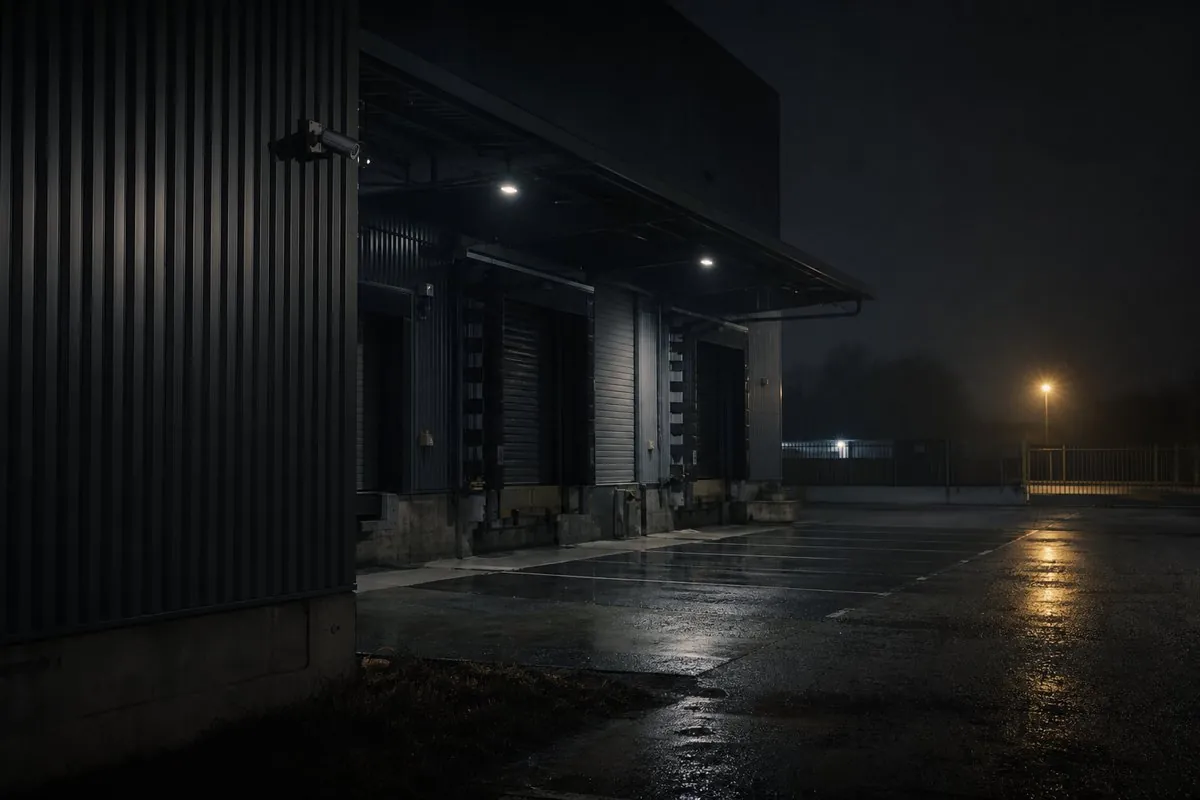
Protecting property starts with understanding the risks and potential threats. Every property, whether an office, a warehouse, a production hall or a private home, needs its own approach. The basic measures include:
- Physical security: high-quality locks, security doors, grilles and fencing.
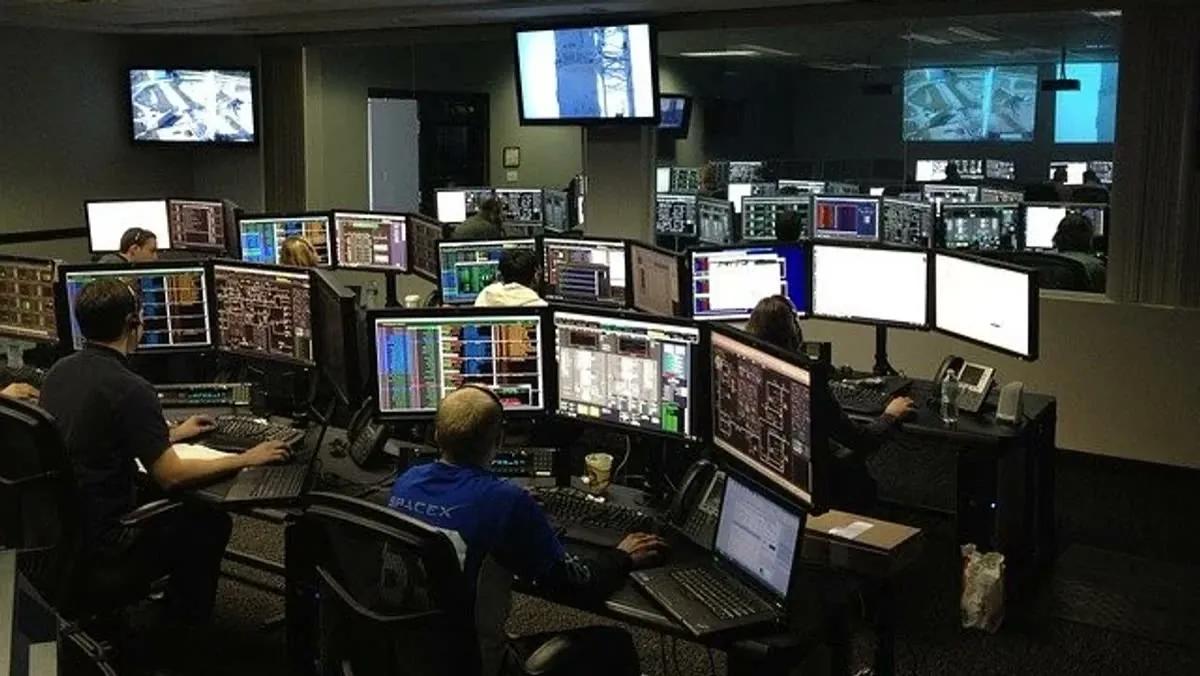
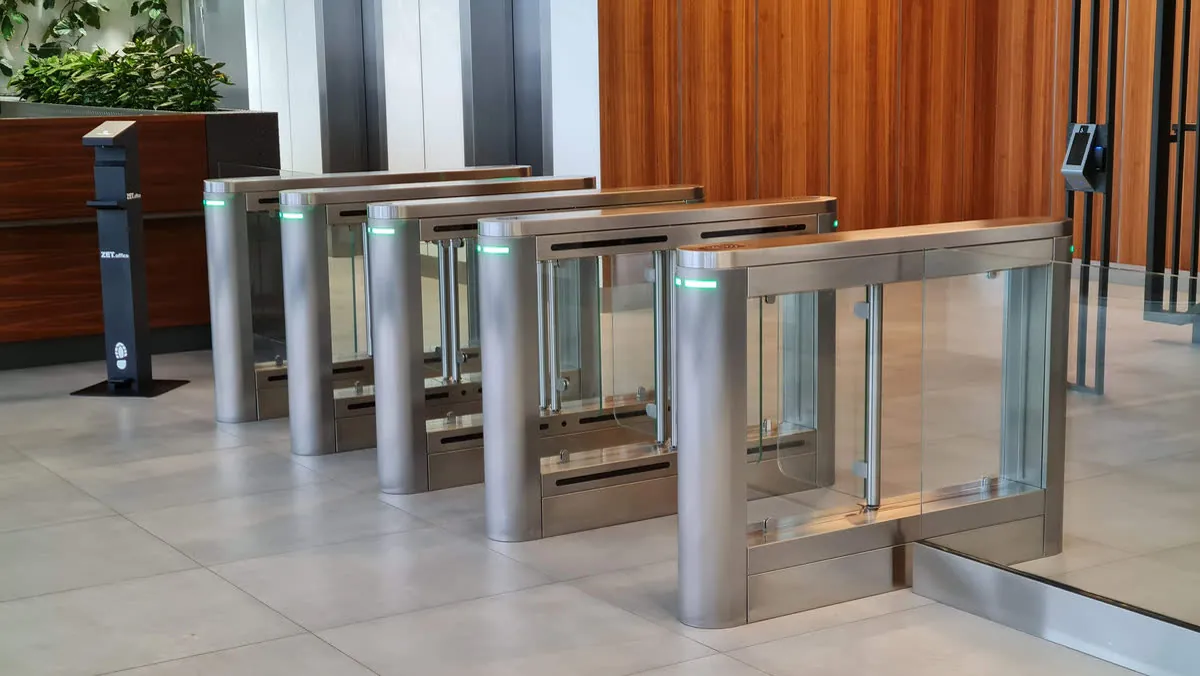
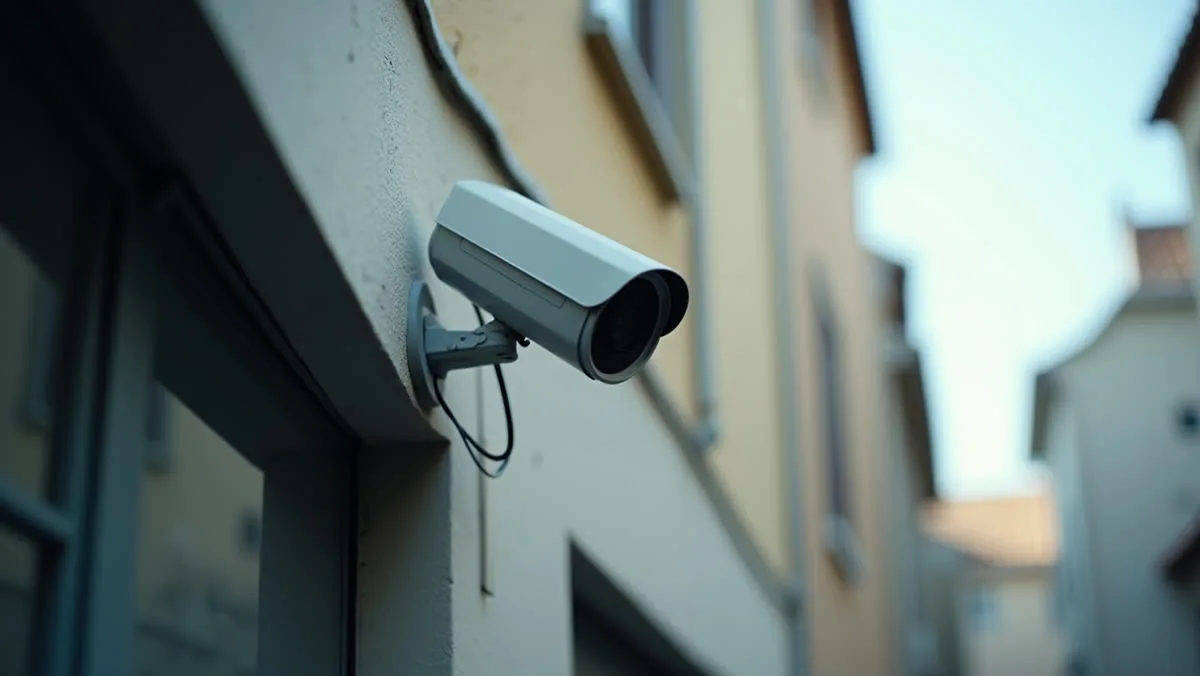
- Electronic systems: alarms, cameras, motion sensors and access control systems.
- Regular inspection and maintenance: security equipment must work properly and be tested regularly.
- Security personnel: a professional guarding service that provides oversight and a rapid response.
It is also important to have a plan ready for emergencies such as fire or a break-in. A prompt response can minimise damage and protect lives.
How to choose the right protection for your property
The right security arrangements depend on several factors:
- Type and value of the property: the more valuable the asset, the higher the level of protection it needs.
- Location: security risks vary with the area in which the property is located.
- Scope: the service must match the actual risks and the way the site operates.
- Discretion: with VIP clients, the emphasis is often on unobtrusive protection.
- Integration: modern systems should be compatible with other technologies.
We recommend discussing your choice with specialists experienced in end-to-end security solutions. That way you can be sure the protection will be effective and suited to your needs.
What does the job of a bodyguard demand?
A bodyguard's work is demanding. It calls for a high standard of professionalism, proven experience, ongoing training and the ability to make calm decisions under pressure. The level of responsibility varies with the environment, the risks and the nature of each assignment.
A bodyguard must be physically fit, but also able to react quickly in a crisis, with a sound knowledge of first aid and communication. They often work as part of a team and must be discreet and reliable.
Investing in good personal protection pays off, because it minimises risk and gives the client and those around them a sense of calm.
How to achieve comprehensive protection for people and property
Comprehensive protection covers not only physical security but also prevention and planning. We recommend:
- A risk assessment: identifying potential threats and weak points.
- A security plan: clearly defining procedures and responsibilities.
- Training for staff and clients: teaching them how to act in a crisis.
- Modern technology: for example smart cameras, biometric access or monitoring systems.
- Regular security audits: reviewing and updating security measures.
This is how you achieve a high level of protection that covers the identified risks and prepares a response to the main foreseeable situations. No one can rule out every risk, but it can be reduced significantly.
Why discretion matters when protecting VIP clients
Alongside physical security, discretion is essential for VIP clients. Protection should intrude neither on the client's privacy nor on their public image. In practice, that means:
- Security measures deployed unobtrusively.
- Professional, low-profile conduct by the protection team.
- Protection of the client's information and data.
- Flexibility and the ability to adapt to the situation.
Discreet protection means the client can live and work without unnecessary stress or restrictions.
Current trends in protecting property and people
Security technology and services are constantly evolving. Current trends include:
- Artificial intelligence: for example, for facial recognition or analysing suspicious behaviour.
- Mobile apps for security management: enabling remote oversight and fast communication.
- Greener security solutions: kinder to the environment.
- Personalised services: adapted to the client's specific needs.
- Hybrid protection models: combining physical and electronic protection.
These innovations make security services more effective and more convenient.
What to watch for when choosing a security agency
When choosing a security agency, you should:
- Check its track record and past clients.
- Confirm that the agency holds the necessary certifications and licences.
- Ask which technologies and methods it uses.
- Check whether it offers end-to-end services, including crisis management.
- Find out how available it is and how quickly it can respond.
A good agency should be a partner that understands your needs and can meet them effectively.
Where to start with protecting property and people
Taking action to protect your property and people is the first step towards a safer life and business. We recommend:
- Carrying out a security assessment.
- Consulting specialists.
- Drawing up a protection plan.
- Investing in quality technology and services.
- Reviewing and updating security measures regularly.
If you want to be sure your security is in professional hands, work with a specialist firm that focuses on protecting property and people.
Security is not only a question of money; it also depends on the right approach and careful planning. Together, we can make sure your property and your people are protected to the highest standard.
Bodyguard Group® is ready to be your partner for close protection and security services. Get in touch to find out how we can help you too.