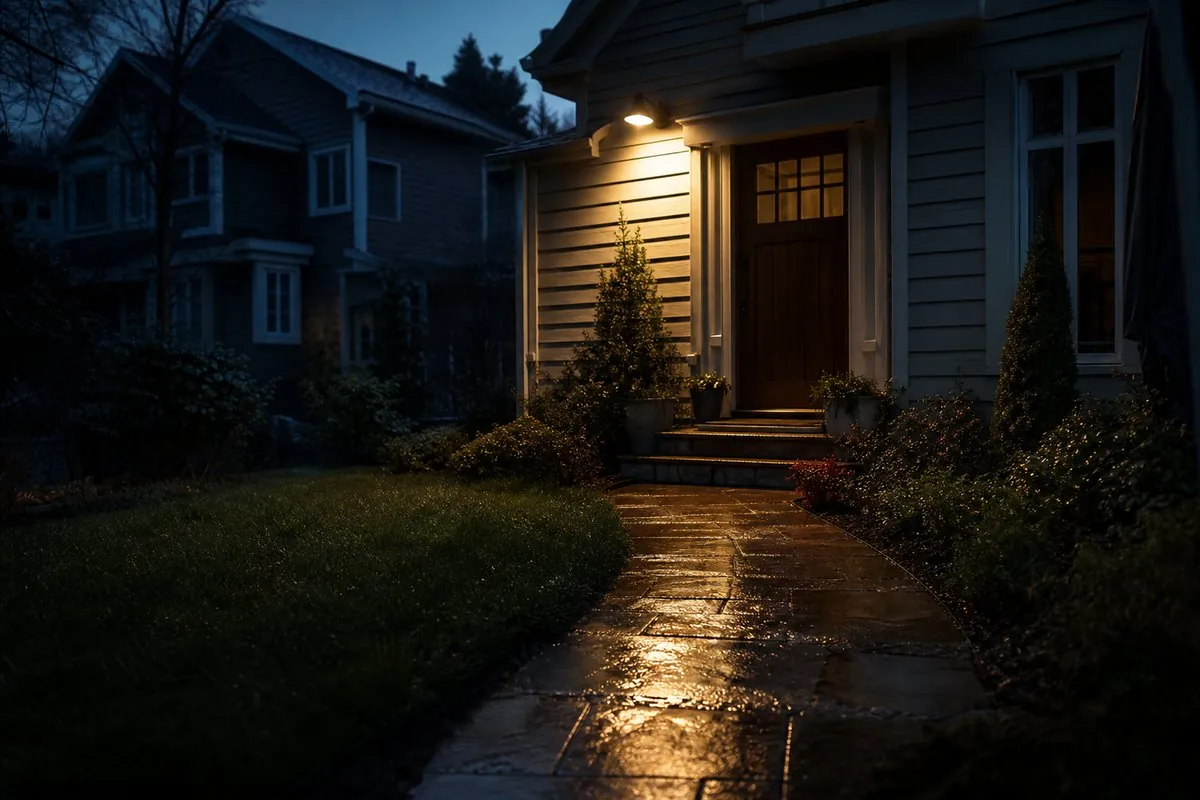
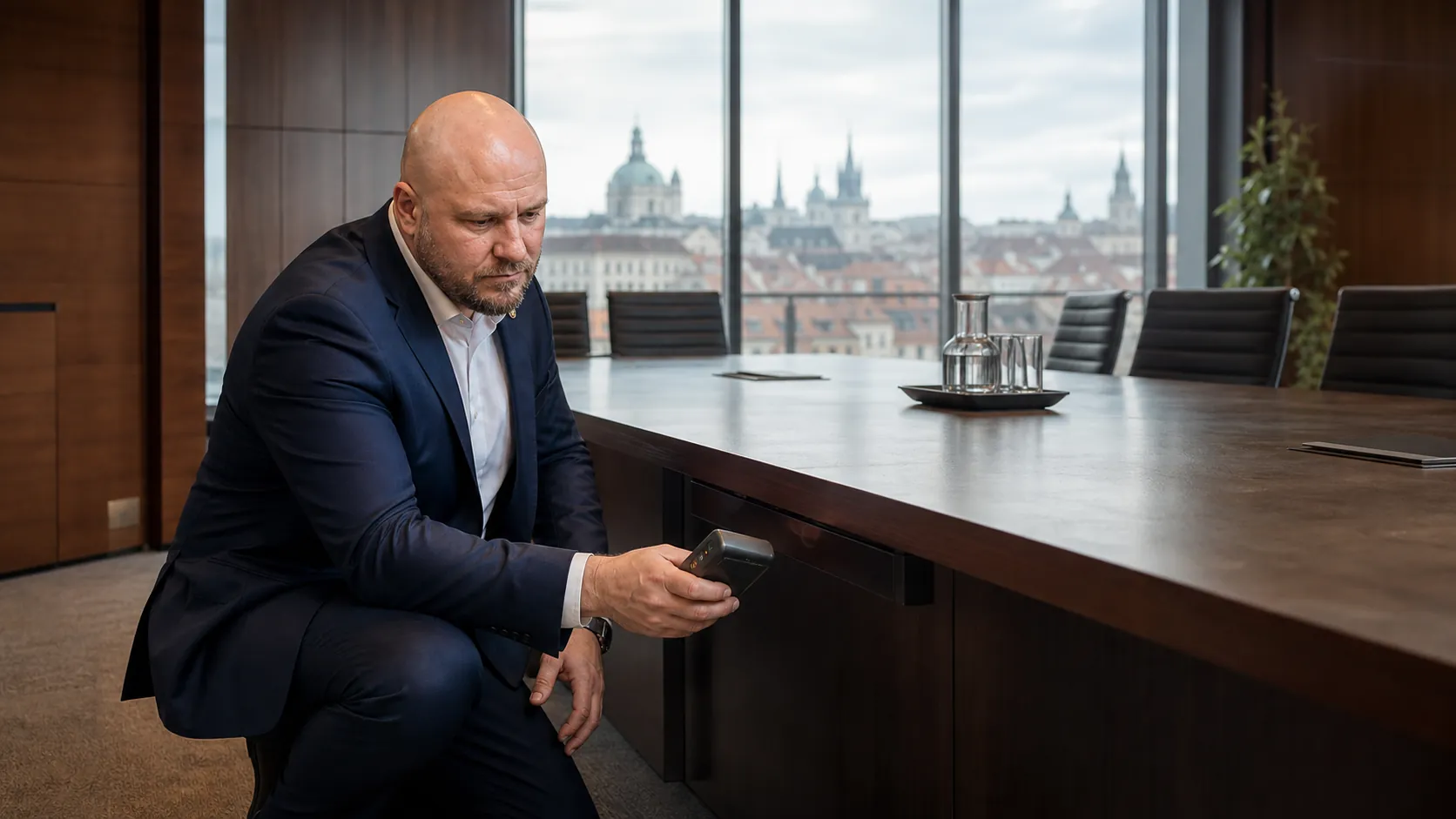
When I protect a family, I am not dealing with one person or a single incident. I follow the everyday rhythm of home, school, work, travel and communication, so that security becomes something the family can live with, without needless pressure.
Prevention is not paranoia but the management of everyday risk
Family security work often starts quietly. A client tells me about an unpleasant encounter, their public profile, pressure around their business or a worry about the children. At that stage, the point is not to turn the home into a fortress, but to understand where the family is needlessly giving away its habits.
Prevention is practical work with information and movement. I look at who knows the addresses, how journeys are planned, what can be seen on social media, how the staff work and who is in contact with the school or reception.
The best measures are usually the ones that people around the family barely notice. The family should carry on living normally, just with fewer predictable habits and a clear procedure for when something changes.
Household staff, assistants, drivers and others who know the family's routine also play a big part. That does not mean suspecting everyone. It means agreeing who may pass on information and how an unusual request is verified.
- analysis of movements and daily routines
- assessment of the family's public profile
- review of the digital footprint and information on social media
- setting up secure communication procedures
When prevention is not enough, priorities must be clear
Sometimes an uneasy feeling turns into a specific risk. It might be repeated contact, an escalating dispute, someone unexpectedly turning up near the home, or pressure linked to a public position or a business.
At that point, I do not try to tackle everything at once. The priorities are people's safety, calm communication and control over the family's movements. Technical measures, legal steps or wider organisational changes come only after that.
The worst thing is to improvise with the whole family under pressure. Children, partners, parents and staff all need simple instructions, not a long security manual. Each person should know only what they genuinely need to know.
If the situation worsens, it helps to have agreed a single line of communication in advance. The family then does not receive different instructions from several people, and the security team does not waste time working out which instruction is the latest one that still stands. Simple communication reduces tension.

I adjust the daily routine so it stays workable
A protection regime must not paralyse a family. If a measure cannot be sustained over time, the family will start working around it. That is why I look for a balance between security, privacy and normal day-to-day life.
Typically, I adjust routes, travel times, how information is passed on and access to publicly available data. For some families, physical protection during journeys makes sense; for others, a secure home environment and better control of visitors matter more.
Every change should have a reason. There is no need to change the school run just for the sake of change. What is worth changing is anything predictable, easy to track or needlessly public.
With children, I prefer simple rules. They do not need to know the adults' security assessment, but they do need to know whom to call, whom not to open the door to, and that any change to pick-up arrangements must be confirmed through the agreed check.
- adjusting daily routes and travel times
- limiting publicly available information
- physical protection during journeys
- a secure environment both at home and away from it
A family needs calm, not security theatre
For a family, the psychological side of protection is essential. The adults need to know that there is a plan. The children should not have to carry the adults' tension, or feel that something dangerous is going on around them that nobody explains.
Clear communication reassures. That does not mean telling everyone everything. It means giving each person the right amount of information: where to go, whom to call, what not to do and when to stick to the agreed procedure.
Protection officers working with a family must come across as low-key and patient. They are not there to attract the neighbours' attention. They are there to protect the space, watch for changes and let the family get on with an ordinary day.
- calming the situation
- clear communication with the family
- appropriate information for each family member
- limiting unnecessary attention from others
Protection lasts until the situation is resolved, not until the first lull
A temporary drop in tension does not automatically mean the risk is over. I check whether the contact has actually stopped, whether the behaviour of people around the family has changed, whether a legal or personal conflict has genuinely died down, and whether the family is keeping to the agreed regime.
The work may include escorts and close protection, technical security measures, coordination with other agencies and regular monitoring of the situation. Every element must have a clear purpose.
It is just as important to know how to scale measures back gradually. A regime kept at full strength for too long wears people out. Once the risk falls, security should return to prevention and unobtrusive oversight.
A good protection regime is reviewed regularly. Families change: children grow up, and schools, staff and public profile change too. What made sense before may, over time, become needlessly strict or, conversely, too weak.
- escorts and close protection
- technical security measures
- coordination with other agencies
- regular monitoring of the situation
Family security should protect everyday life too
Protecting a whole family is not just a response to a crisis. It is a carefully considered arrangement of movement, information, communication and support, so that the family is not needlessly exposed yet keeps its normal rhythm. An approach like this is one a family can live with over the long term, in practical terms too.
If your family is dealing with a higher public profile, a dispute, pressure from people around you or uncertainty in your daily routine, we can go through the situation together in a practical, matter-of-fact way, with no obligation. This is not about adding fear; it is about finding measures that make sense for the way you actually live.
“A family is best protected by a regime that is firm enough, yet still lets them live a normal life.”— Robert Václavík