
What our work looks like
when no one is watching
The best protection is the kind no one talks about. Even so, clients are right to want to know how we work. So we have chosen two real types of deployment and describe them the way we always do: no names, no dates, no routes.
We deliberately alter the client profiles and operational details in these studies. The discretion we promise our clients applies retrospectively too, and without exception. If you become our client one day, the same rule will protect you.
— Bodyguard Group®, Principle No. 1
Three evenings, zero incidents
A North American professional team on a tournament stop in Prague. A full arena, a fixed schedule and a delegation of dozens. Only one score was acceptable: not a single incident anyone would remember.
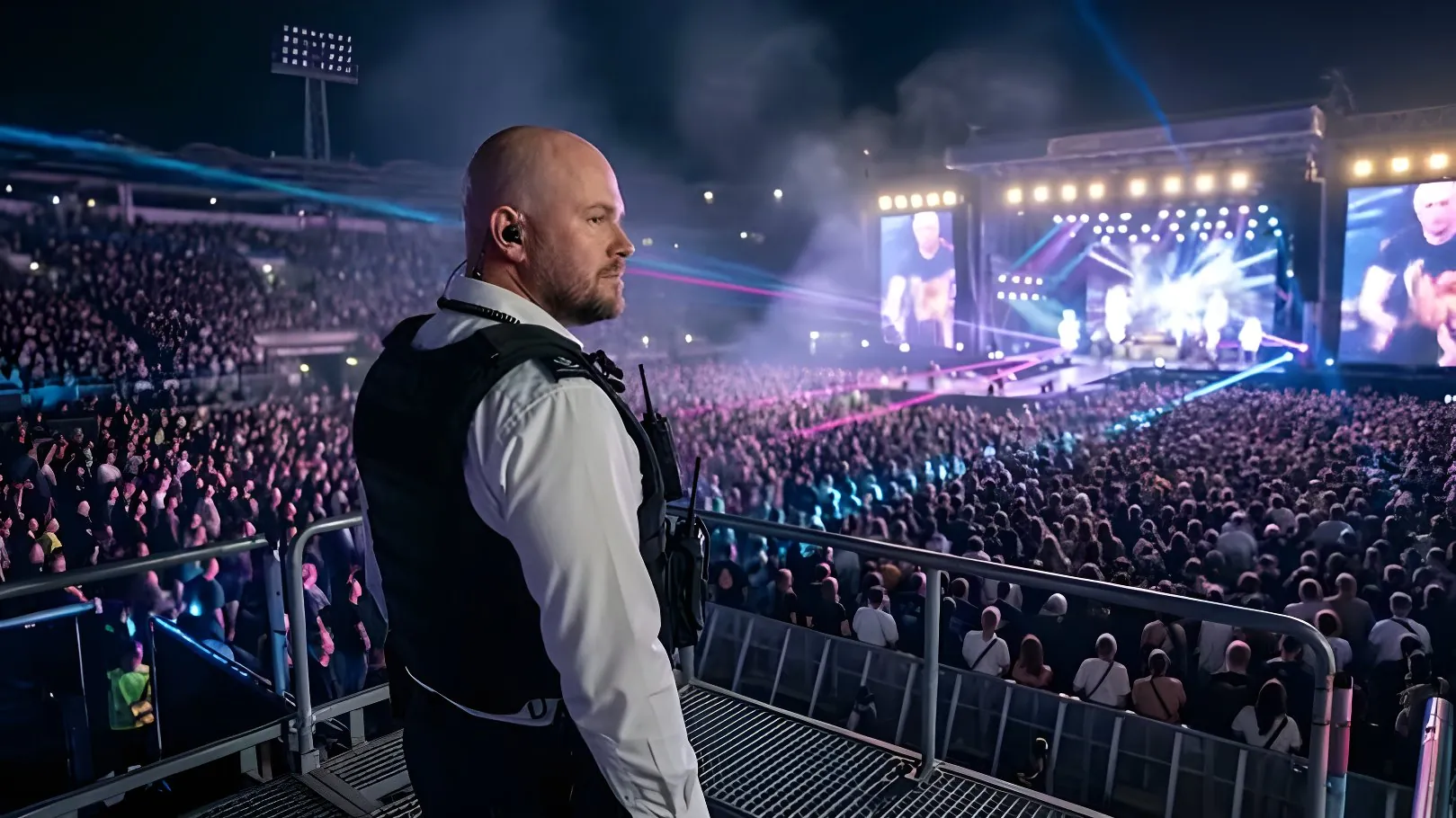 Illustrative image
The situation
The club spent several days in Prague: training sessions, matches, official engagements and the players' own free time. For the management, every minute of delay set off a chain reaction, and every crowd left unmanaged was a risk that would be in the papers the next day. The client needed just one thing: for the whole stay to run exactly to plan, so that the players could think of nothing but the ice.
The risks
- Fans and media at every predictable point in the schedule: hotel, arena, transfers.
- A minute-by-minute schedule with no slack: a delay in one place derails the whole day.
- An unfamiliar environment for the client, with no knowledge of the city, the language or local customs.
- A large number of protected people on different schedules at the same time.
Our solution
The decisive work happened before the client landed. We reconnoitred the arena, the hotel and every route, including fallback options, agreed roles with the event stewards and drew up a precise plan of who stands where at every minute of the schedule.
The deployment itself relied on layered protection: a visible perimeter where deterrence needed to work on the crowd, and discreet close protection where uniforms would have been intrusive. The team's management dealt with a single liaison officer. One number, one point of responsibility, no back-and-forth between three parties.
The outcome
The schedule ran to the minute. The players passed through the crowds without a single confrontation, the private programme stayed private, and afterwards the organiser described the collaboration as exemplary. The best calling card? Not one fan remembers us.
From the aircraft to the red carpet
A globally recognised figure flew into Prague for an evening red-carpet event. Crowds and photographers were not a complication; they were part of the programme. Our job was to give the attention its place and never let it grow into a risk.
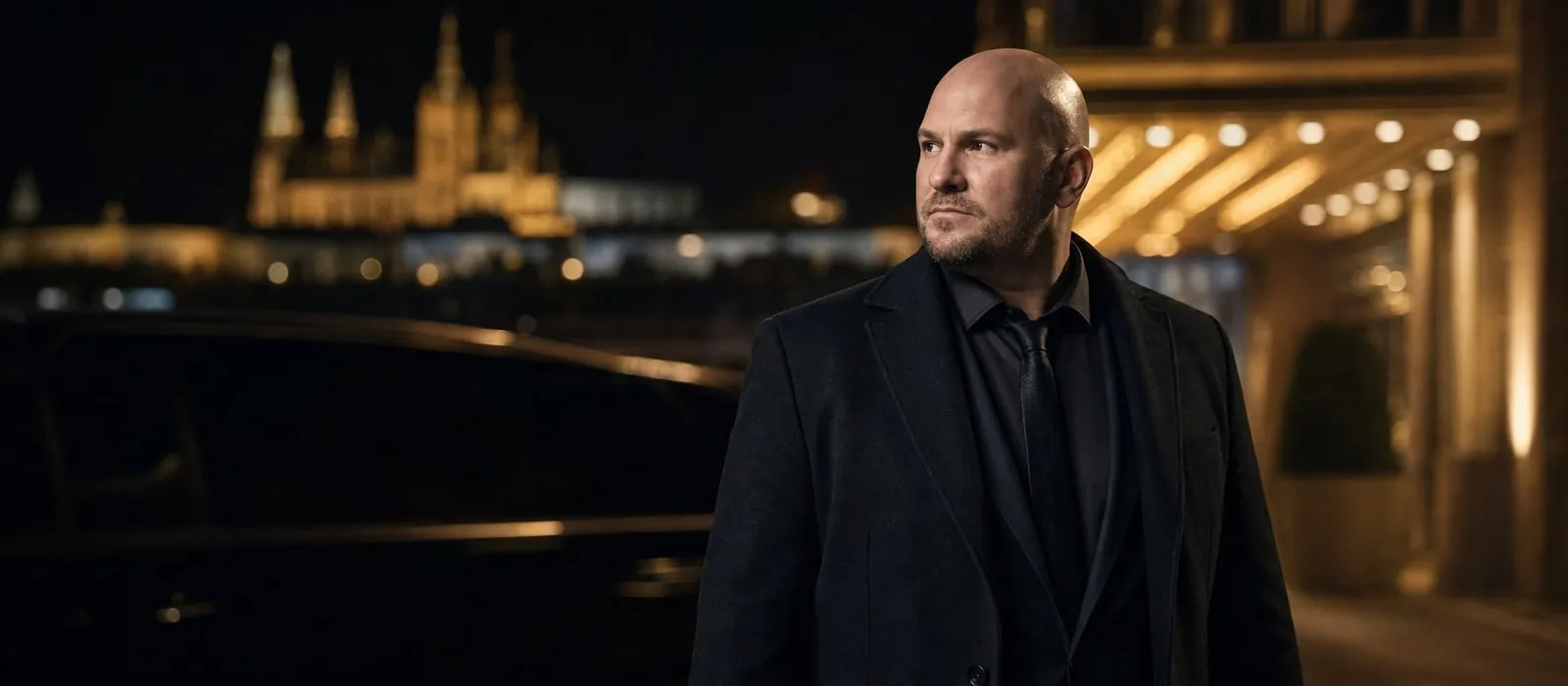 Illustrative image
The situation
A public event with an international star has a character of its own. The client wanted to meet her fans, and autographs and photographs are part of an evening like this. Isolating her would have been a mistake. The task, then, was not to eliminate the attention but to manage it: to decide where it arises, how long it lasts and where the way out of it lies.
The risks
- Crowds right next to the protected person, by design and repeatedly.
- Evening journeys across the city in full view of photographers.
- A fixed event time: no option to “arrive later, once things settle”.
- Image matters: the protection must not appear in the photographs.
Our solution
We built a chain of protection with no weak link. From the aircraft to the hotel and on to the event, a car with a vetted driver served as a mobile secure zone: the client got in and out at points chosen by us, not by the crowd. We timed the transfers to avoid peak hours, and every point in the schedule had a quiet evacuation option the client never even needed to know about.
On the red carpet, the close protection officer worked from a position that gave the photographers a clean shot and us a clear view. The fans had their moment, lasting exactly as long as the plan allowed, not as long as the pressure of the crowd dictated.
The outcome
The client spent the whole evening at ease and flew out as planned. You will not find our protection team in a single photograph from the event, which is exactly how it should be. Discretion is not only about confidentiality. It is also about what stays unseen.
Your case will look different.
The approach will not.
Every deployment begins with a confidential consultation. You describe the situation, we propose a solution, and from that moment Principle No. 1 applies to you too.
Discreet enquiry